What is Japan’s new intelligence agency, and why is Tokyo building it?
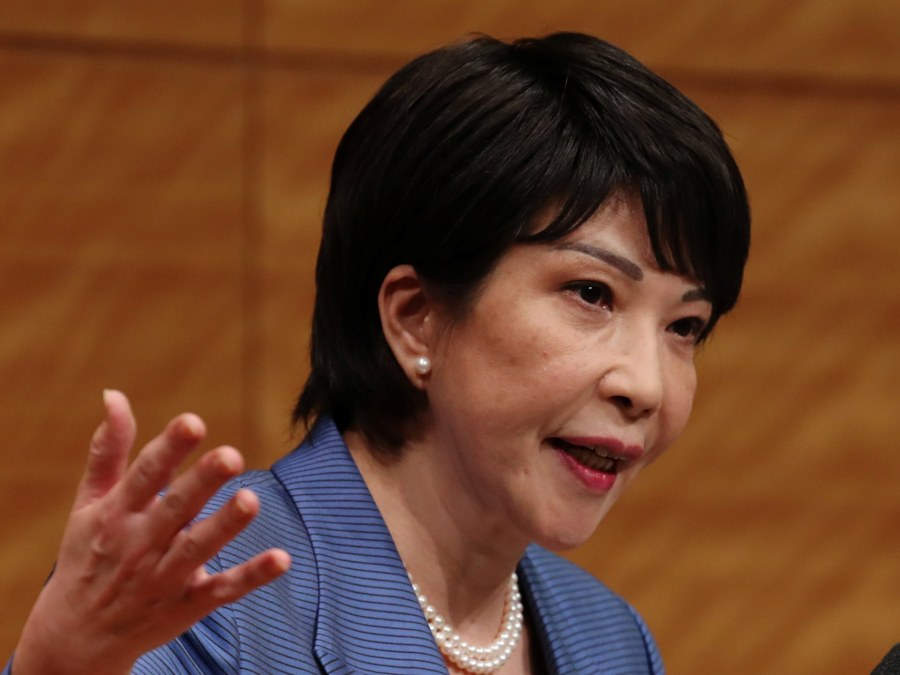
Legislation to establish the new agency passed the upper house of Japan’s National Diet in May, a month after it cleared the lower house. After decades of relying on US intelligence support and after a pacifist stance was enshrined in the Japanese Constitution, Prime Minister Sanae Takaichi described this law as “a first step” towards strengthening the country’s espionage capabilities.
The legislation creates two bodies: a National Intelligence Council that will act as the government’s command centre for intelligence gathering and analysis and an agency for operations. The reform changes the existing Cabinet Intelligence and Research Office (CIRO) into a centralised National Intelligence Council and National Intelligence Bureau.
Takaichi isn’t exactly building the US Central Intelligence Agency, but The New York Times reported Western allies, including the United States, Germany and Australia, are advising the Japanese government on establishing the new spy agency. Ken Kotani, professor at Nihon University, said he believes Japan’s new National Intelligence Council and national intelligence agency model will be original to Japan. Sanshiro Hosaka, a research fellow at the Estonia-based International Centre for Defence and Security, said the reform is aimed at improving the Japanese government’s intelligence abilities “by strengthening coordination, reducing interagency barriers and ensuring that intelligence products better meet policymakers’ requirements.”
Tokyo says it is facing threats from a number of nearby countries such as North Korea, Russia and China, and a national intelligence agency is needed to counter their efforts. Kotani explained that Japan’s foreign and national security policy followed the US during the Cold War period. But he noted that “recently Japan has gradually pursued her own policy, especially in the Trump administration period.”
US President Donald Trump has repeatedly accused Washington’s allies of not spending enough on their own defence and on relying on American help. He has questioned US alliances and has been ambivalent about whether the world’s most powerful military would come to the defence of smaller nations. That, Kotani said, is why “Japan needs to collect intelligence by herself.”