Can Pakistan keep US-Iran diplomacy alive as mistrust deepens?
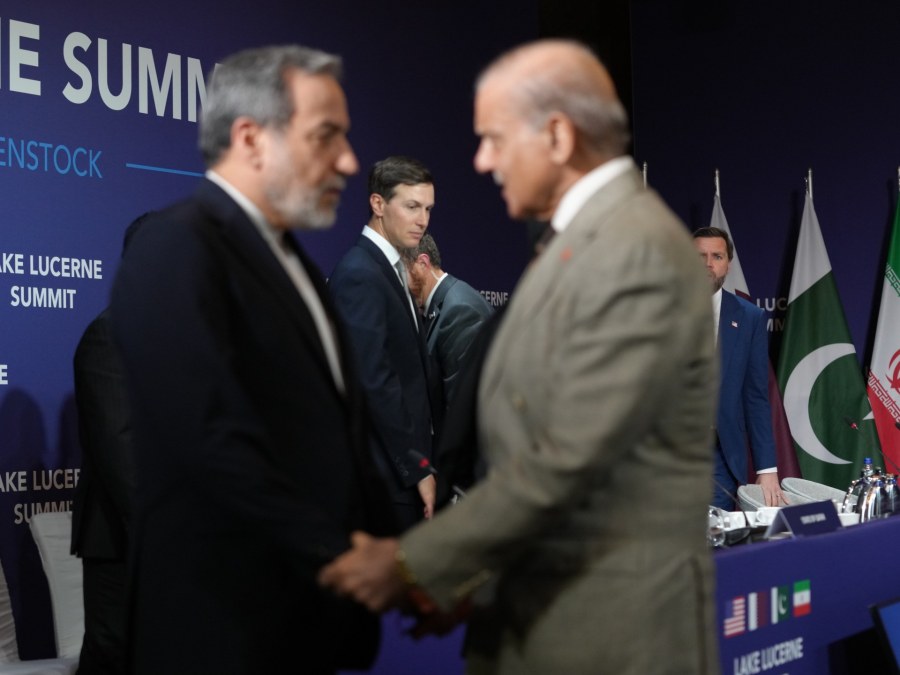
A Ministry of Foreign Affairs statement late on Monday said Foreign Minister Ishaq Dar had spoken to his Iranian counterpart, Abbas Araghchi, and invited him “to visit Pakistan at his earliest convenience.” Separately, National Assembly Speaker Ayaz Sadiq also extended an invitation to his Iranian counterpart and chief negotiator, Mohammad Bagher Ghalibaf, according to government sources. It remains unclear if and when the two Iranian officials would travel to Islamabad. The outreach came as US President Donald Trump accused leaders in Tehran of being “unbelievably duplicitous” over their handling of talks meant to end the war launched by the US and Israel in late February. “They ask for a meeting, some would say ‘beg,’ talks begin, with more scheduled in the immediate future, and they say, openly and proudly, that they’re not having any discussions,” Trump wrote on Truth Social. He separately told reporters this was Iran’s “last chance” to sign a “good document” before “decapitation,” warning again that Tehran faced “a deal or total surrender.” His comments followed Iranian Ministry of Foreign Affairs spokesperson Esmaeil Baghaei’s insistence that no talks with the US were under way, only technical discussions with Oman over the reopening of the Strait of Hormuz, a strategic waterway through which one-fifth of global oil supplies passed in peacetime. Baghaei, addressing reporters on Monday, reaffirmed that Pakistan remained “the mediator” in talks concerning Iran and the US while Qatar continued to offer assistance “if necessary.” Pakistan’s position has remained broadly unchanged since the war began on February 28: advocating for restraint and calling for dialogue and a diplomatic solution. In April, the Pakistani government hosted in Islamabad the first direct US-Iran talks in decades. They culminated in the Islamabad Memorandum of Understanding (MoU), signed in June by Pakistani Prime Minister Shehbaz Sharif, Iranian President Masoud Pezeshkian and Trump. Yet each attempt at de-escalation has unravelled within weeks.