The pitfalls of institutionalising US military aid to Israel
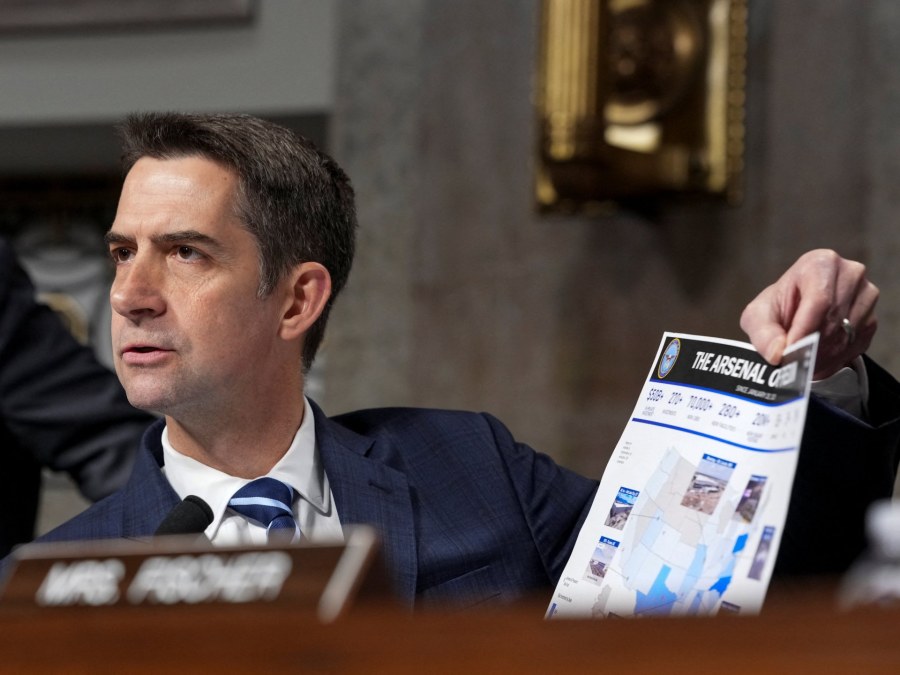
US Senator Tom Cotton and pro-Israel allies are pursuing problematic legislation that has largely gone under the radar of most mainstream media. If passed, these bills and amendments would embed the US-Israel security relationship more deeply within the Pentagon’s institutional framework, making it substantially harder for future presidents and Congresses to reconsider one of America’s most consequential foreign policy commitments.
This comes at a crucial time. The 10-year Memorandum of Understanding between the US and Israel which grants the latter $38bn in military aid is expiring in 2028. At this time, Washington should be discussing whether the arrangement continues to serve American interests, whether future aid should carry conditions, and whether the transformed Middle East warrants a different approach. Instead, Senate Republicans are building a legislative architecture that could preclude any change in policy.
Their strategy is trying to bypass the traditional foreign aid and military cooperation process by embedding amendments in large budget bills that have to pass. For example, a section of the National Defense Authorization Act (NDAA) for fiscal year 2027 would establish permanent integration of Israeli technology into US military research, procurement and manufacturing.
Senator Cotton’s companion legislation, which is embedded into an intelligence authorisation bill, requires the president to expand US-Israeli intelligence cooperation on a list of subjects. It also restricts presidential authority to pause or limit intelligence-sharing. If these bills are passed with the amendments proposed by Cotton and his allies, foreign policy flexibility would give way to statutory permanence.
Supporters present these initiatives as routine improvements to an indispensable alliance. Their timing suggests otherwise. For decades, unconditional military aid to Israel attracted little opposition in Washington. That bipartisan consensus has begun to fracture.
The war in Gaza has produced unprecedented civilian destruction, repeated humanitarian crises, allegations of violations of international humanitarian law and growing diplomatic isolation for Israel. American opinion has shifted accordingly.
By October 2025, the Pew Research Center found that 33 percent of Americans believed the United States was providing too much military support to Israel; 23 percent thought it was “about right”; 8 percent thought it was not enough. A June 2026 survey by Quinnipiac University found that 48 percent of Americans thought their government was supporting Israel “too