Alleged Orchestrator of Tupac's Murder Faces Trial Decades Later
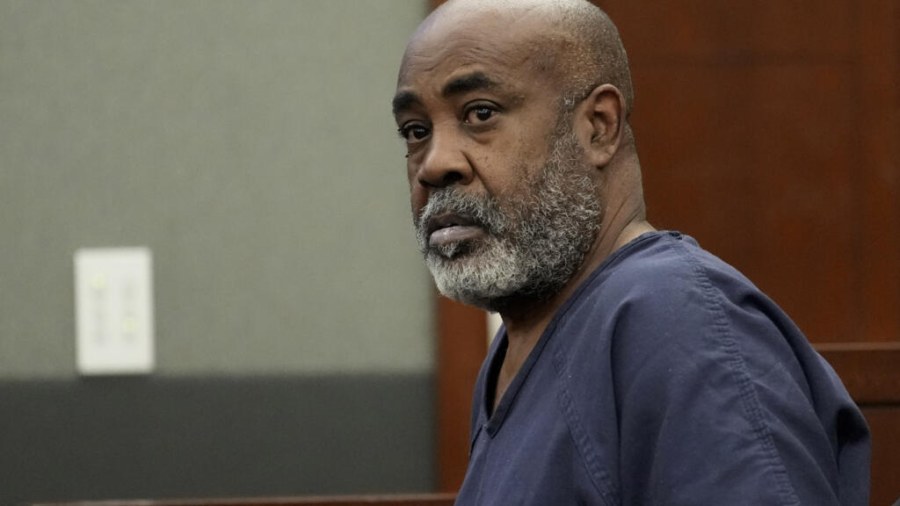
The trial of Duane 'Keffe D' Davis, implicated in the 1996 slaying of renowned rapper Tupac Shakur, commences in Las Vegas, bringing renewed attention to a case that has persisted as one of America's most infamous unsolved mysteries. Davis, now 63, faces charges of murder with a deadly weapon, with allegations tying his actions to gang-related motives.
Tupac Shakur's untimely death over two decades ago has remained a focal point of cultural and legal intrigue, with many questioning the inefficacies that led to years of unresolved investigation. The current proceedings seek to address these long-standing uncertainties by presenting evidence that could potentially elucidate the events surrounding the assassination of the influential artist.
This trial emerges as a pivotal moment in confronting organized crime influences within the framework of 1990s gang conflicts, with potential implications reverberating through both historical and contemporary judicial avenues. As the courtroom proceedings unfold, the intersection of celebrity culture and systemic criminal undertones stands to redefine public understanding of this high-profile case.