Why the UK cancelled a military exercise in Kenya – and what it means
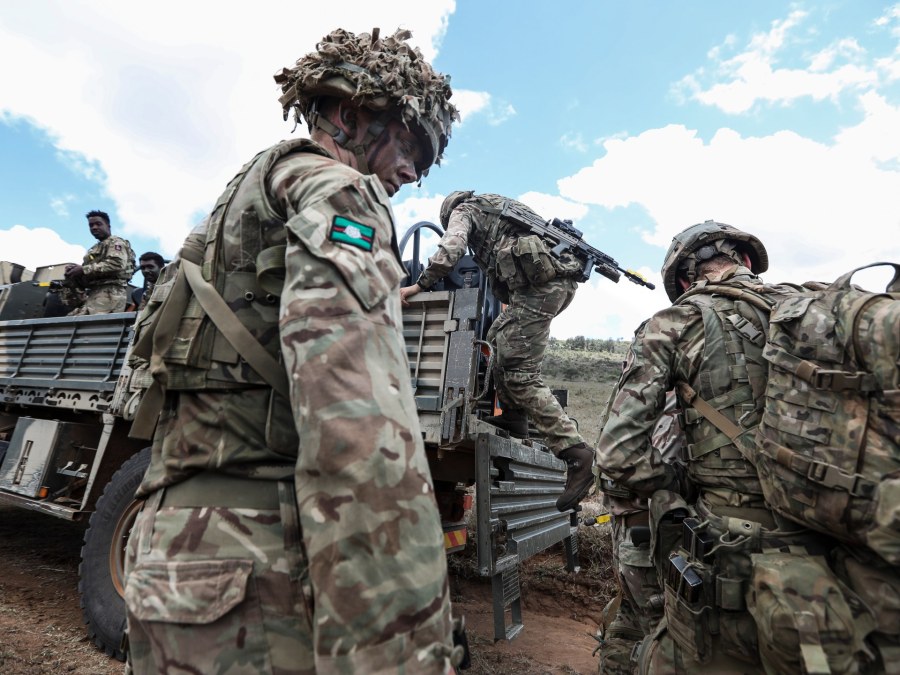
The United Kingdom’s Ministry of Defence cancelled a planned September 2026 training exercise in Kenya after the required approvals were not obtained, amid disagreements over defence arrangements between the two countries. The dispute centres on legal jurisdiction, accountability mechanisms and the rules governing the presence of British forces in Kenya. At the heart of the issue is the UK-Kenya Defence Cooperation Agreement, which provides the legal framework for military cooperation between the two countries. The agreement covers areas including training arrangements, investigations and jurisdiction over visiting forces. The disagreement has placed renewed scrutiny on the British Army Training Unit Kenya (BATUK), a longstanding arrangement that allows British and Kenyan forces to conduct joint exercises.
What is the UK military presence in Kenya?
British forces have trained in Kenya for decades, with BATUK serving as the main platform for joint exercises between the British army and the Kenya Defence Forces. Based near Nanyuki in central Kenya, the training unit provides British troops with access to training areas while allowing Kenyan and British forces to work together. But the presence of British troops has also generated debate over oversight, accountability and the legal status of foreign military personnel operating on Kenyan territory.
Kenya’s concerns
The disagreement centres on the legal arrangements governing British troops operating in Kenya. Kenyan lawmakers have raised concerns over whether existing arrangements provide sufficient accountability when British soldiers are accused of offences in the country. During parliamentary discussions on the Defence Cooperation Agreement, lawmakers highlighted concerns linked to BATUK and the need for clearer accountability mechanisms. One parliamentary statement said: “This House and the Departmental Committee on Defence, Intelligence and Foreign Relations had reservations on BATUK and particularly, where we as a society, are uncomfortable with human rights abuses.” Those concerns have contributed to continued debate over the agreement, even as both countries have expressed a desire to maintain security ties. The dispute reflects a wider challenge facing military partnerships involving