How Russian dissidents are being punished by both Russia and Europe
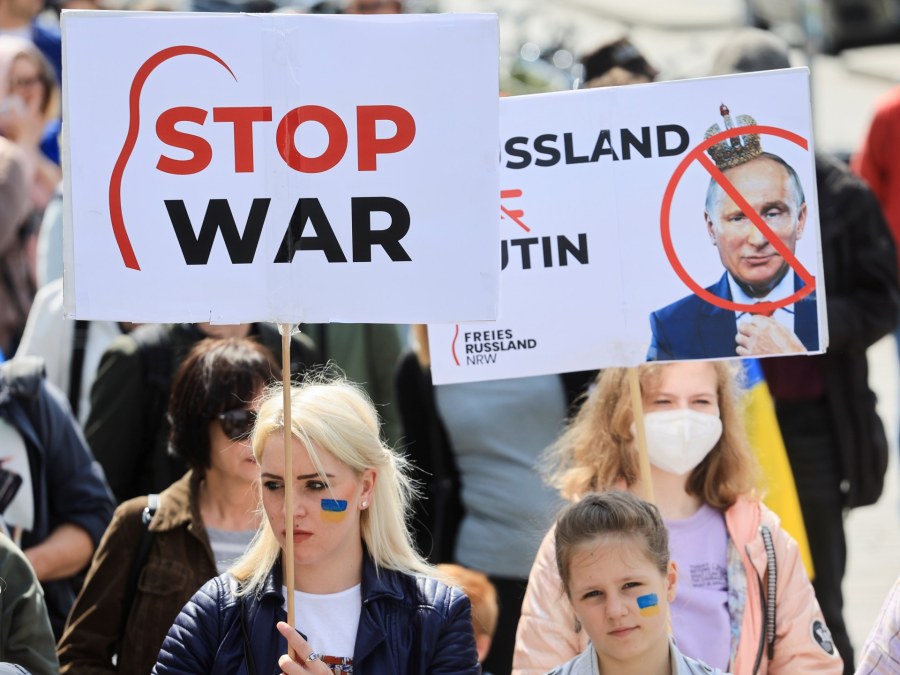
Earlier this month, Russian President Vladimir Putin signed into law new legislation that targets Russians living abroad who oppose his regime. The law restricts the provision of consular services to Russian citizens who have been sentenced in absentia in political cases. This means that those convicted of a number of offences – including violating the “foreign agent law” or “discrediting” the Russian army – will not be able to renew their Russian passports and receive other essential consular services. This could affect thousands of Russian citizens. Individuals and organisations labelled “foreign agents” are already more than 1,600 and the number continues to grow.
This comes at a time when European countries are increasingly making more difficult residency renewal and asylum seeking for Russian citizens who condemned the invasion of Ukraine and had to flee their country. Russians of conscience are thus being punished by both sides for deciding to oppose a brutal war.
I know what that feels like.
In May 2022, Russia began legal proceedings against me and my family. It was one of the first known cases in which the Russian authorities sought to strip a person of citizenship because of their political beliefs and opposition to the war in Ukraine. I had fled the country in March of that year after being arrested for protesting the war. After almost a year of proceedings, the final decision to strip me of my only citizenship was followed by the detention and intimidation of my family members, who were given three days to leave the country. I became stateless while living in exile in Germany, with a ban on entering Russia for the next 50 years. Fortunately, I am of Armenian descent, so I was able to apply for Armenian citizenship. It took a year to obtain it.
At the time, there were still humanitarian visa programmes available to Russians fleeing political persecution. But even those programmes had significant limitations. In my case, I would have had to leave the EU in order to apply, something I could not do without a valid passport.
Since then, Russia has systematically expanded the legal mechanisms for punishing people who oppose the regime from abroad. In 2023, a new citizenship law introduced provisions allowing the authorities to terminate the citizenship of naturalised citizens convicted of a broad range of “crimes”, including offences related to “discrediting” the Russian armed forces, extremism and ac