Senegal’s Faye launches a new party, formalising his split with Sonko
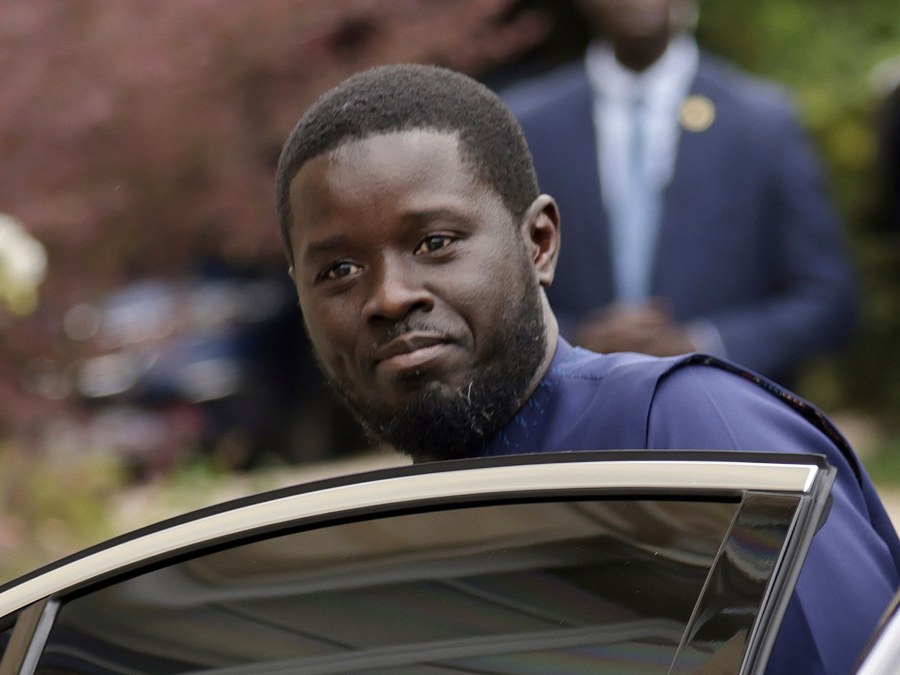
The creation of Kiiraay-The Republican Patriots on Saturday formalised the collapse of the alliance between Faye and Sonko after months of tensions over the direction of the government and Senegal’s mounting economic challenges. The new party grew out of the Diomaye President coalition, which backed Faye’s successful 2024 presidential campaign. Speaking before supporters in Dakar, Faye portrayed Kiiraay as a movement centred on institutions rather than personalities. “Kiiraay-The Republican Patriots is an open house,” Faye said, adding that the party would be guided by “ethics” and “transparency”. He said the movement would be open to “young people, women, farmers, fishermen, teachers, health workers, the diaspora” and all citizens committed to serving the republic. In another message directed at his supporters, Faye said political office should not be treated as a reward. “Responsibilities will be duties and not rewards,” he said, adding that transparency would remain one of the party’s guiding principles. The launch completes the political rupture between two men whose alliance overturned Senegal’s political establishment.
Faye and Sonko rose together through the African Patriots of Senegal for Work, Ethics and Fraternity (PASTEF). Sonko, a former tax inspector, emerged as one of Senegal’s most influential opposition figures by campaigning against corruption, promising economic sovereignty, and attracting strong support from young voters frustrated by unemployment and the rising cost of living. When Sonko was unable to stand in the 2024 presidential election, PASTEF nominated Faye as its candidate. Campaigning under the slogan “Diomaye is Sonko”, Faye won the presidency and later appointed Sonko as prime minister. But tensions gradually emerged over how the government was run, its economic policy and the direction of the governing coalition. The relationship deteriorated further as Senegal grappled with the fallout from previously undisclosed public debt, forcing the government to confront difficult economic decisions and renewed engagement with international lenders. The political rupture deepened at the end of May when Faye dismissed Sonko as prime minister and dissolved the government.