Return of goods to markets in Gaza doesn’t mean people can afford them
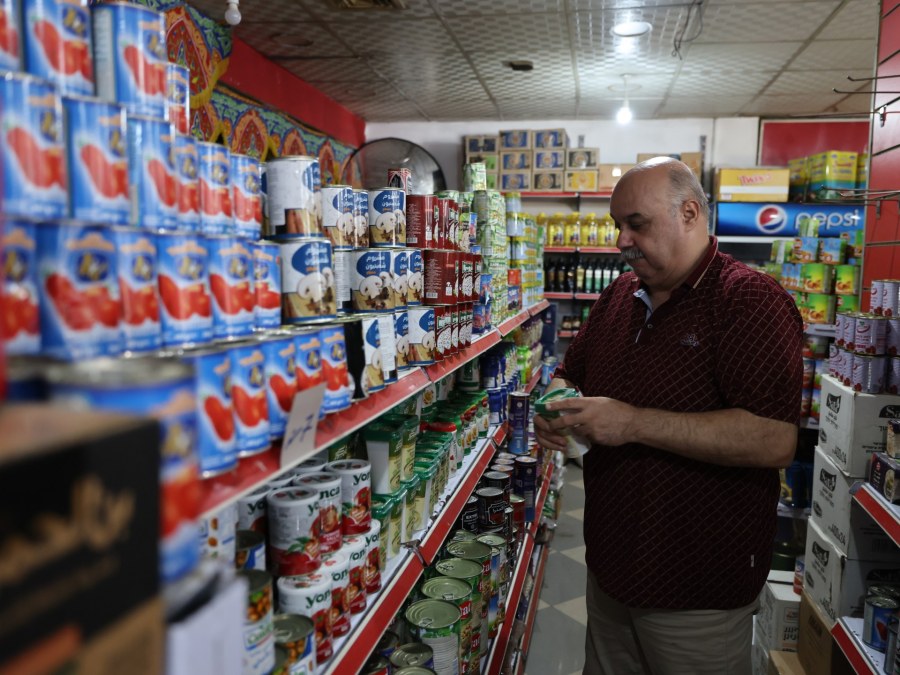
Some goods have returned to Gaza’s markets, after months of shortages driven by Israel’s blockade on the territory, running alongside its genocidal war. But the challenge now for families like Nassar’s is finding the money to buy those goods. Nassar’s husband has no stable source of income, even before the war, which began in October 2023. Instead, he depends on temporary work opportunities that provide the family – their children range in age from 14 years to nine months – with little financial stability. “He used to do whatever work was available,” said Nassar. “On some days he would earn no more than seven or 10 shekels ($2.27 or $3.25).” Ghadeer has been forced to turn to options she never thought imaginable, like selling her wedding ring and her husband’s phone so she could provide for her children. And when money is simply unavailable, she turns to bartering. Once, Nassar said, she exchanged one kilogramme of rice for four kilogrammes of lentils – the latter could feed her family for longer. “I try to make whatever food we have last as long as possible,” she said. “I don’t buy what I want, I buy what I can afford.” Only the necessities Maher al-Khudari, a shop owner in Gaza City, says that purchasing patterns have changed dramatically compared with before the war. Although larger quantities of goods are now available, prices remain high due to shortages and the cost of bringing in and transporting products, while most residents have exhausted their savings and lost their jobs. Shop owners themselves face a daily dilemma: customers need food, but many can no longer afford to pay for it. Al-Khudari says some people ask to buy necessities on credit, but that puts him in a predicament. “People come wanting to buy on credit, but their circumstances are difficult. I am also someone trying to make a living, and if I give everyone who needs help credit, I will lose everything, because all of Gaza is in need.”