Taliban Faces Fragmented Armed Opposition
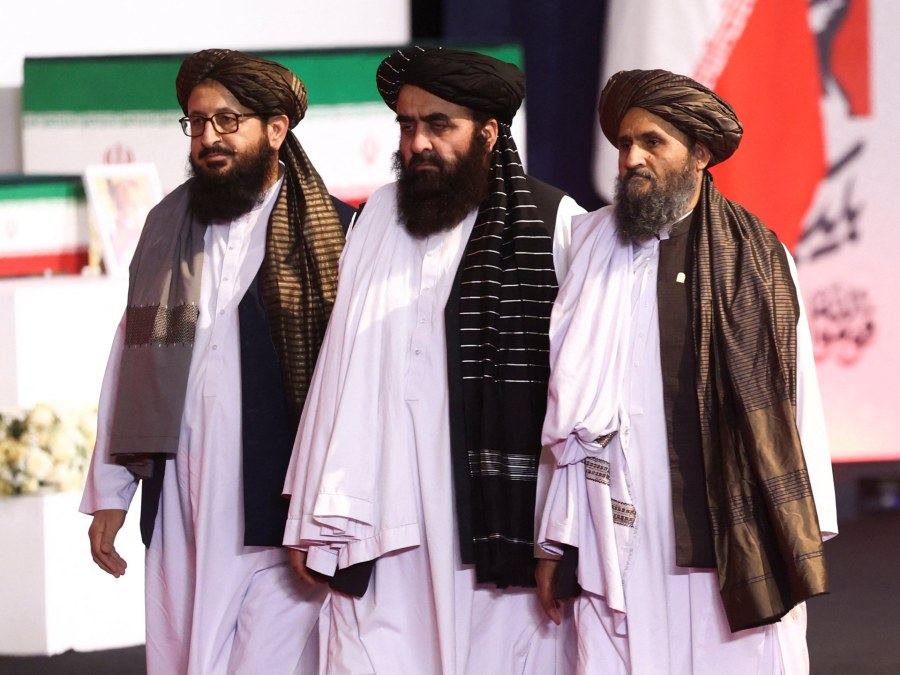
As the Taliban marks five years of power in Afghanistan, the landscape of armed opposition has transformed significantly. Initially singular in nature, this opposition now constitutes multiple groups contesting Taliban authority across various provinces. These entities have also amplified their digital presence, indicating a shift in tactics and outreach.
The emergence of numerous fronts raises strategic queries: Does this signify a genuine broadening of armed resistance, or merely internal fragmentation among dissidents? Despite these developments, armed factions have failed to secure control over any substantial territories, as per United Nations assessments. The Taliban retains comprehensive dominion over Afghanistan's geopolitics.
Key among these groups, the National Resistance Front, initially consolidated remnants of the former Afghan army in Panjshir. Despite their intentions to establish a bastion of rebellion, Taliban offensives quickly neutralized these efforts, relegating the resistance to sporadic skirmishes. Analysts suggest many former Afghan political and military figures sought to leverage these factions to negotiate with the Taliban, though success has been elusive.