Syria Prioritizes Diplomacy Over Intervention Post-Lebanese Diplomatic Meetings
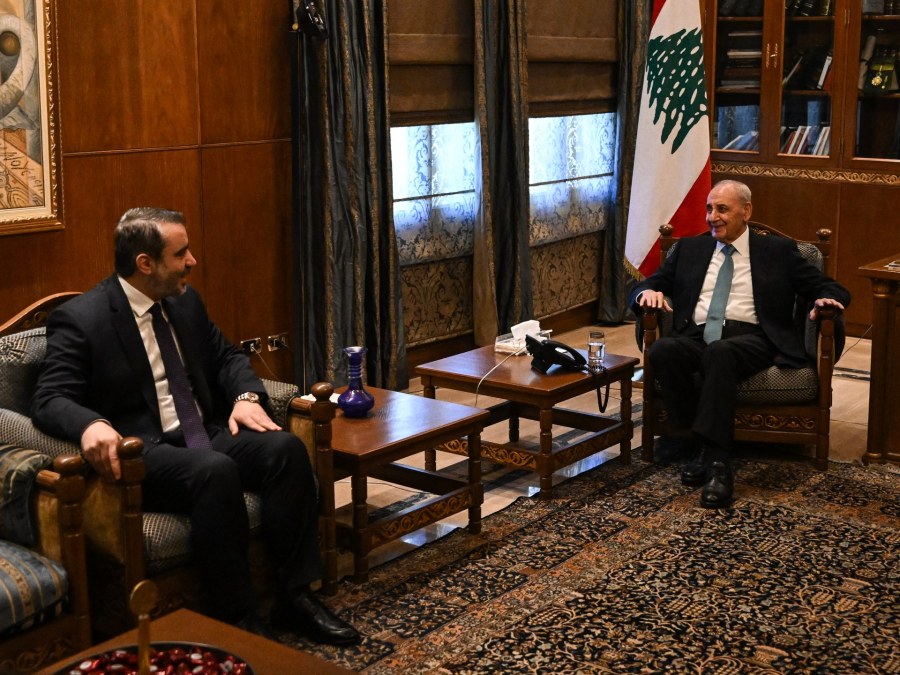
Syria is signaling a shift towards diplomacy following a high-level visit by Foreign Minister Asaad al-Shaibani to Lebanon, diverging from U.S. calls for intervention. Al-Shaibani's engagement with Lebanese Parliament Speaker Nabih Berri, a Hezbollah ally, suggests a strategic effort by Damascus to maintain dialogue across Lebanon's political spectrum, including factions aligned with Hezbollah. This diplomatic overture reflects Syrian President Ahmed al-Sharaa's apparent disinterest in renewed military entanglements with Lebanon.
The United States, under President Trump's leadership, has advocated for Syrian leadership in disarming Hezbollah, viewing the group as a destabilizing Iranian proxy in the region. However, Syria's reticence, illustrated by al-Shaibani’s itinerary, underscores a preference for stability and influence via diplomatic channels rather than military intervention.
The Syrian-Lebanese dynamic, steeped in historical complexity, is undergoing another evolution. Historically, Syria wielded considerable influence in Lebanon, formalized by its occupation until 2005. Nonetheless, the continuity of geopolitical interests mandates a nuanced approach, with Syria opting for diplomatic channels to balance its regional objectives against calls for intervention.