Escalating Iran Conflict Signals Imminent Energy Crisis
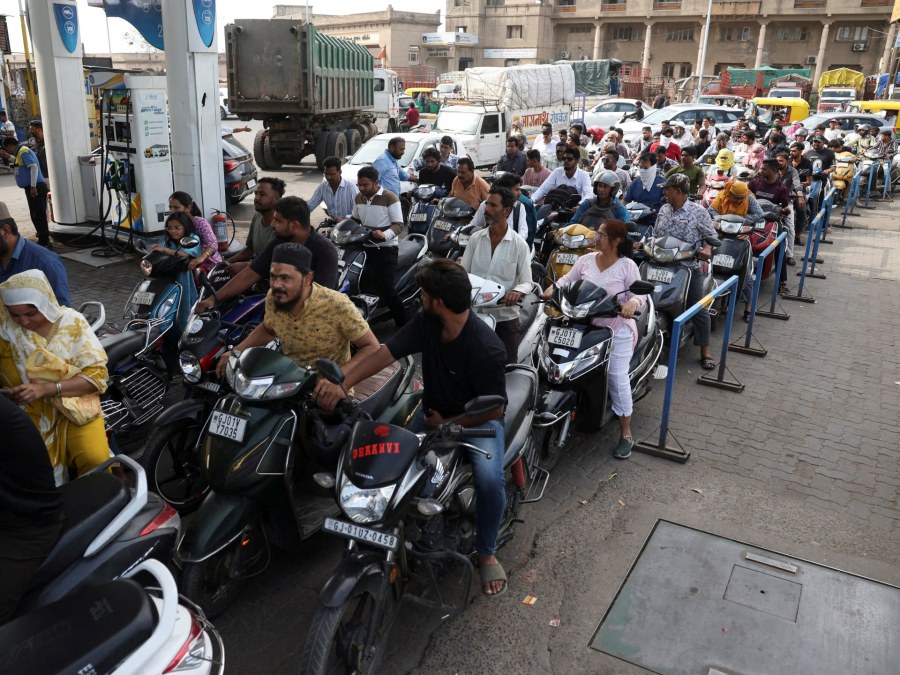
As the United States and Iran remain locked in escalating tensions, the global economy braces for the reverberations of this conflict. The renewed hostilities underscore a lingering fragility within international markets heavily reliant on fossil fuel imports, prompting widespread inflationary anxieties. This unfolding scenario reiterates the persistent vulnerabilities tied to fossil fuel dependency, threatening economic stability across continents.
East Asia and Southeast Asia, both crucial importers of oil via the Strait of Hormuz, are witnessing heightened fuel costs and inflation, stressing household budgets. Similarly, in Africa and Latin America, rising energy prices exacerbate financial strains on impoverished communities. In economically robust regions like Europe, North America, and Australia, rising energy expenditures bear down on transport costs and everyday consumer goods.
The Organisation for Economic Co-operation and Development warns of increasing inflation and inhibited growth, with ripple effects impacting transport and consumer goods prices. Concurrently, global financial institutions highlight potential ramifications on food security due to elevated oil and gas prices. These developments make evident the urgent need for transitions towards decentralized renewable energy systems, crucial for enhancing economic resilience and mitigating future disruptions.