Escalating Threats Strain Middle Eastern Oil Transit Routes
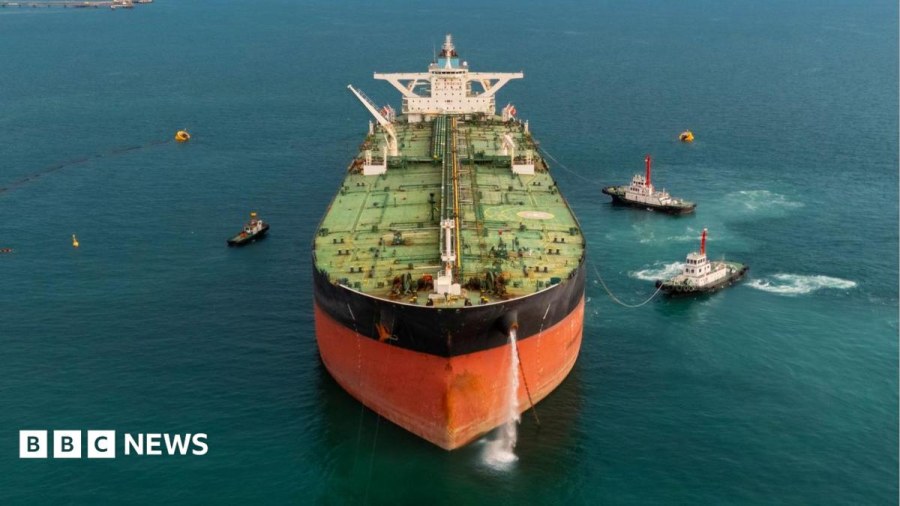
The current threat level to oil tankers in the Middle East has reached unprecedented heights since the onset of conflict with Iran. Recent attacks on vessels traversing the Red Sea, an alternative to the strategically critical Strait of Hormuz, underscore the growing insecurity gripping regional waterways.
Following Iran’s blockade of the Strait of Hormuz, a vital artery through which approximately 20% of global oil and gas once flowed, maritime traffic has sharply declined. This situation exacerbates tensions, with only a fraction of the usual vessel passage reported over recent days. Even as a temporary peace agreement with the United States momentarily revived shipping activity, subsequent hostilities have once again restricted transit.
The security landscape is further complicated by targeted disruptions in the Red Sea. Houthi attacks on Saudi Arabian tankers threaten to destabilize an essential alternative route. This volatility presents a compounded challenge, constraining oil flows and challenging market stability, as highlighted by maritime industry stakeholders.