Strategic Shift: Trump's Economic Pressure on Iran Amid War
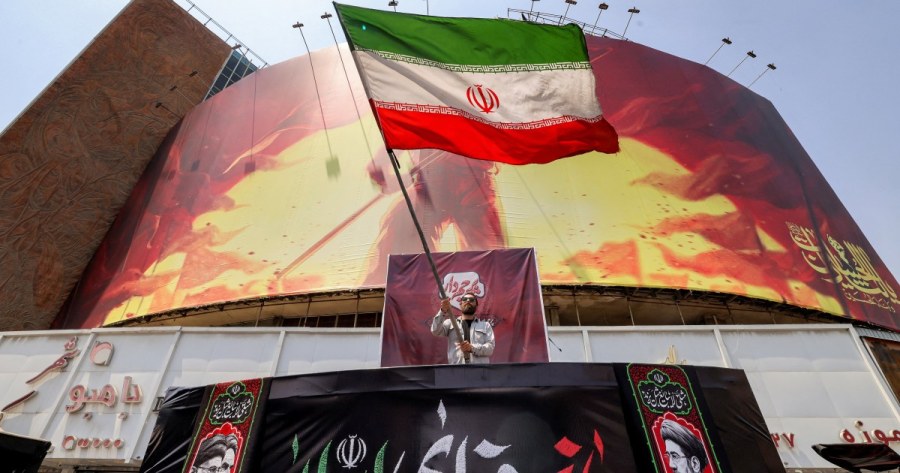
In a marked departure from his previous military threats, U.S. President Donald Trump is now emphasizing economic pressure in the ongoing conflict with Iran, more than 23 weeks into hostilities. This pivot comes despite earlier pronouncements of devastating military actions reminiscent of World War II. Trump's decision to apply economic tactics reflects his assessment of Iran's precarious financial condition, exacerbated by a U.S. naval blockade that has constricted Iranian oil exports since April.
The blockade has notably disrupted shipments through the Strait of Hormuz, heightening tensions and complicating diplomatic negotiations. While Iran claims progress in talks with Oman to manage the Strait, Trump asserts minimal engagement with Tehran, underscoring a strategic patience intended to leverage Iran's economic vulnerabilities. Amid high inflation and fiscal strain within Iran, Trump has expressed skepticism about direct dialogues, preferring instead to 'watch Iran with its huge inflation.'
The economic strategy also aligns with domestic priorities, as Trump points to the stabilization of oil prices which, after initial spikes, have begun to ease. This moderation mitigates potential backlash from American consumers, reflecting a calculated balance between international assertiveness and domestic economic stability. Supporting this multifaceted approach, Vice President JD Vance emphasized the layered use of diplomatic, economic, and military tools to optimize U.S. outcomes during the conflict.