Tunisia's Tumultuous Five-Year Struggle Under Saied’s Rule
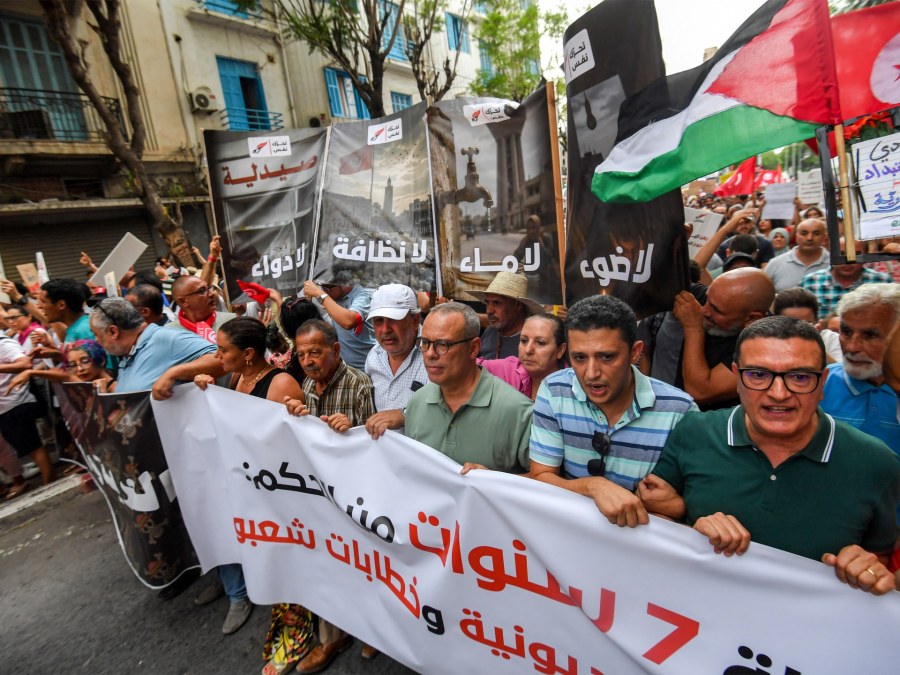
Tunisia remains mired in crisis five years after President Kais Saied's move to suspend parliament and consolidate power. This controversial decision, described by supporters as a necessary corrective, has resulted in a bitterly divided nation grappling with economic and political challenges. Saied's opponents assert that state institutions have deteriorated and unfulfilled promises, combined with unprecedented power concentration, have exacerbated the country's woes.
The economic landscape under Saied's rule is marked by alarming decline. With investment rates plummeting from an average of 20% of GDP to 8% in 2023, experts point to a hostile investment climate exacerbated by increased taxation. These measures, designed primarily to bolster government revenue, have stifled economic growth and severely impacted the standard of living. The resulting food inflation and rising unemployment have pushed many, especially educated youth, to seek opportunities abroad.
Political experts criticize Saied’s governance style, noting a departure from the rule of law to a regime of intimidation. The national confidence eroded, Tunisia's credibility on the international stage is in jeopardy, surrounded by fears of instability and irrational policymaking. As the economic downturn continues, the nation’s challenges persist, demanding strategic resolution to avert further decline.