NATO Faces Strategic Reassessment Amidst US Tensions
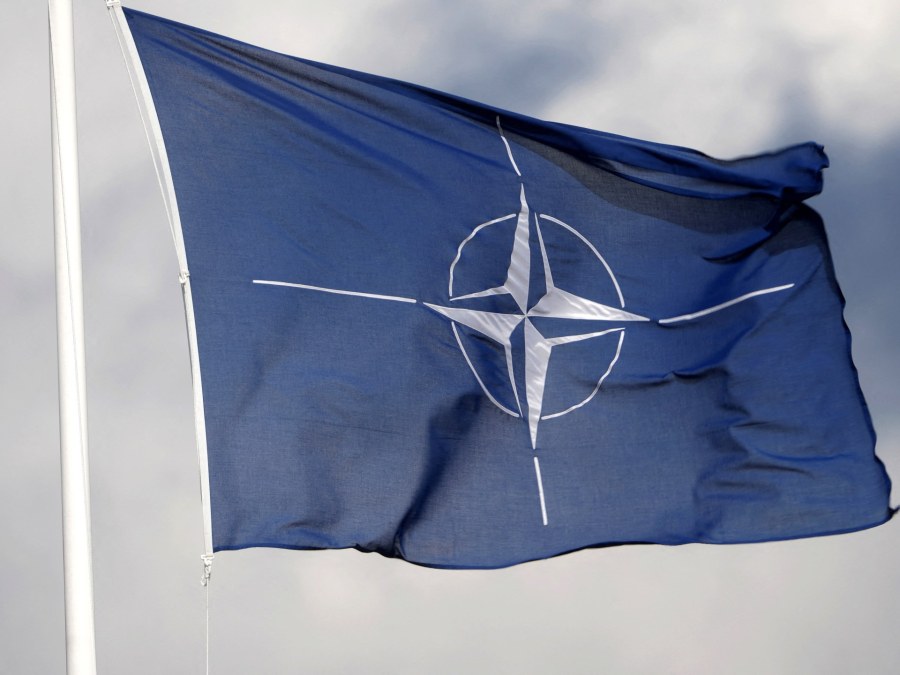
The NATO summit underway in Ankara addresses critical challenges, notably exacerbated by the United States' current discontent with the alliance. High on the agenda are the ongoing war in Ukraine and repercussions from recent conflicts involving Iran, which have strained relations and heightened strategic concerns.
The strained dynamic primarily stems from the U.S., spearheaded by President Donald Trump, who has openly criticized NATO's reciprocal value to the United States. In a recent statement, Trump questioned the alliance's utility, pointing to the disproportionate financial burden borne by Washington relative to its allies, and raised the specter of withdrawing troops from Europe—a move that could destabilize alliance commitments and European security.
The summit places emphasis on three core areas: amplifying defense investment, boosting Europe's defense production capabilities, and sustaining military support for Ukraine amid persisting threats. Despite Trump’s rhetoric, experts suggest that a U.S. withdrawal from NATO remains improbable due to entrenched legal hurdles and the political implications of such a decision.
However, the underlying tension signals a critical phase of transformation for the transatlantic alliance. As NATO grapples with internal discord and external threats, it must navigate a complex geopolitical landscape, where U.S. skepticism could redefine the architecture of mutual defense.