Gaza's Strategic Working Groups: Mandate and Challenges
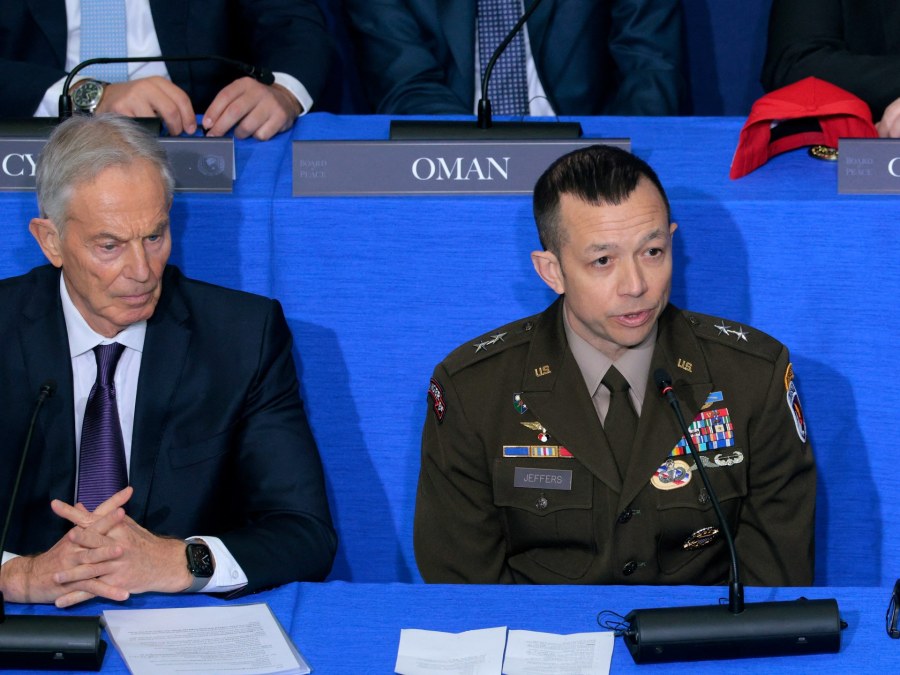
In efforts to advance President Donald Trump's Gaza peace plan, two specialized working groups have been established following diplomatic discussions led by U.S. envoy Jared Kushner with Israeli Prime Minister Benjamin Netanyahu. These developments signify a strategic maneuver to overcome ongoing political deadlocks. The first working group is committed to the disarmament and demilitarization of the Gaza Strip. Simultaneously, the second group focuses on addressing pressing humanitarian needs, including sanitation, access to clean water, and healthcare.
Central to the disarmament efforts is the directive that all weaponry, both light and heavy, within Gaza must be surrendered and destroyed. The tunnels that have historically served strategic purposes within the enclave are also targeted for dismantlement. The disarmament process, anticipated to commence within a short timeframe, will see arms handed to an American-led International Stabilization Force. This initiative, headed by U.S. General Jasper Jeffers, highlights the influential U.S. role in implementing security measures within the territory.
However, these initiatives face resistance, particularly from Israeli leadership, which demands complete disarmament of Hamas prior to any formal Israeli withdrawal from the region. The strategic objective is to achieve a consensus on peace and reconstruction, yet the complexity of regional politics and security concerns present significant impediments. This endeavor underscores the broader geopolitical challenges intrinsic to regional peace processes and the delicate balance required among involved stakeholders.