Strategic Dynamics of the Congo Ebola Crisis
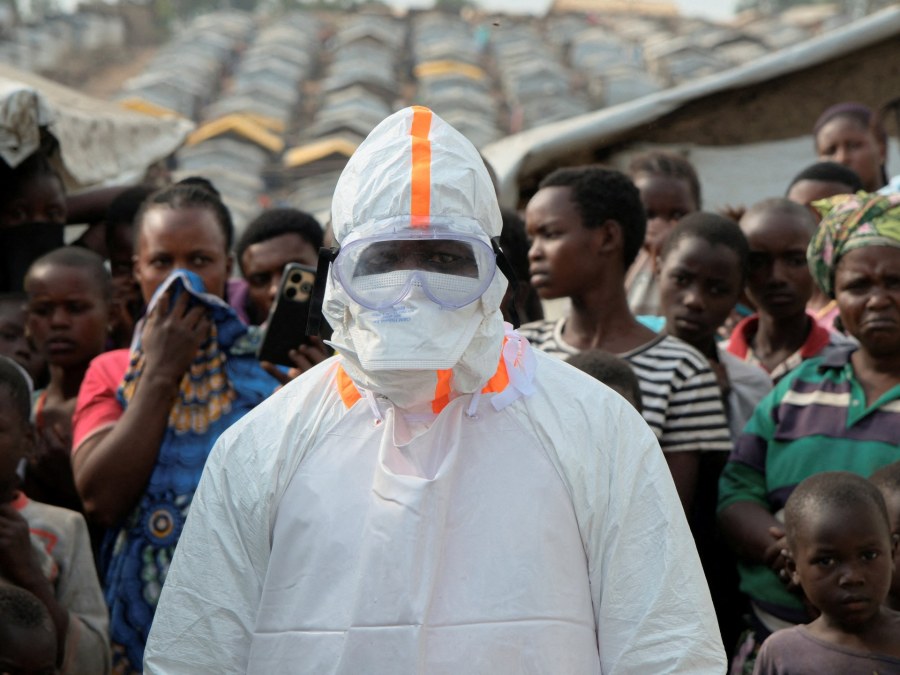
The current Ebola outbreak in the Democratic Republic of the Congo, primarily affecting Ituri province, presents a significant public health challenge underscored by geopolitical complexities. As individuals navigate personal protective measures and health screenings upon arrival in Bunia, the atmosphere highlights the severity of the situation. Public health directives dominate both visual and auditory media, emphasizing self-protection.
The proliferation of the Bundibugyo strain has raised alarms due to its subtle clinical presentation. Unlike previous strains, it evades early detection as symptoms such as fever and bleeding commonly appear only in the final stages. The urgency of the crisis led to the World Health Organization classifying the situation as a Public Health Emergency of International Concern.
The response is a coordinated effort spearheaded by the Congolese government and its international partners, including the United Nations and the Africa CDC. However, the convergence of this outbreak with ongoing regional instability complicates containment efforts. Over 1.3 million individuals displaced by conflict further strain healthcare efforts as contact tracing faces obstacles in hard-to-reach areas.
As the response infrastructure expands, with Bunia General Hospital increasing its capacity, the call for heightened education and community engagement becomes ever more crucial. Public trust and awareness are imperative as national and international entities strive to mitigate the outbreak's impact under constrained conditions.