Misread as passive, the Gulf is quietly ending fifty years of dependence
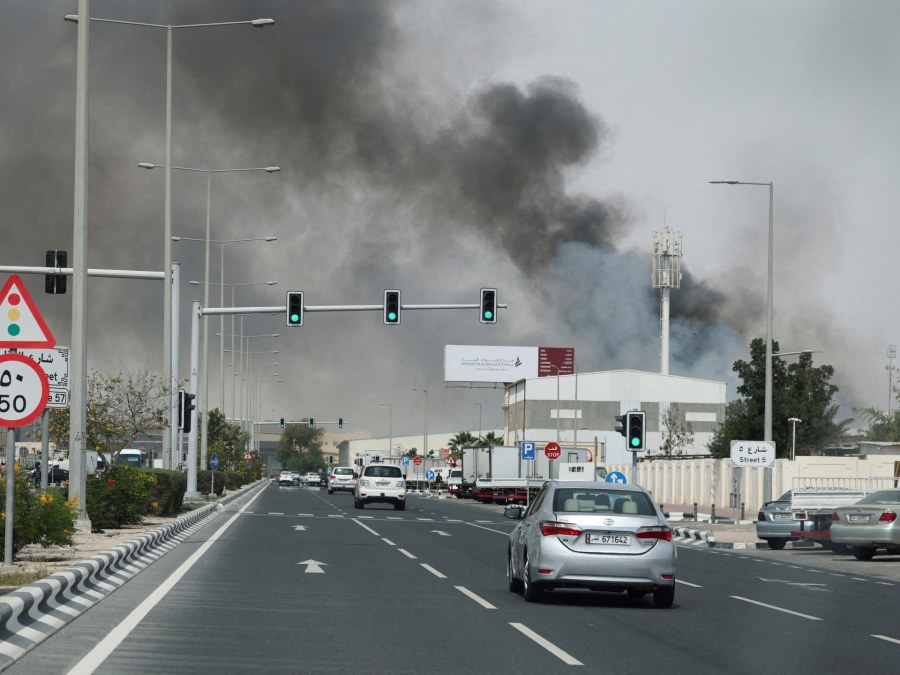
Peace has been announced in the Gulf more often than it has been kept. A ceasefire arrived within weeks of the first Iranian strikes on Gulf territory and did not survive the spring. A memorandum followed in the summer and was dead inside a month. Each pause was announced with more confidence than the last and ended the same way: drones over power stations and desalination plants, another chokepoint closed, the bombing resumed days after it was suspended. Envoys still shuttle in and out of Tehran. The governments in Riyadh, Doha and Abu Dhabi do not regard that as an end to the war, and after five months they are right not to.
So the argument about how this region secures itself cannot wait for the shooting to stop. Whether the current diplomatic track survives or goes the way of the two before it, the Gulf will still live beside a state with the will and the means to strike its neighbours. That is not a problem of goodwill. It is a problem of geographic destiny. What the Gulf needs is a security ecosystem, not another security umbrella.
The war has already shown what it must build on. Anyone in Doha on the morning of February 28 watched Gulf air and missile defences, built over a decade of investment and integrated with US systems, hold. They intercepted the overwhelming majority of what Iran fired. The strikes themselves were not confined to military targets; in Qatar, for example, 65 percent of Iranian attacks was aimed at civilian targets, including airports, power stations, energy facilities, and the desalination plants that supply roughly nine in 10 glasses of drinking water in the Gulf.
Tehran’s campaign against the Gulf was never purely military. It was an attempt to make Gulf capitals bear the costs of a war others had started until they demanded an end on Iran’s terms, while inflicting maximum pain on the global economy. The coercion failed: Gulf states neither escalated nor caved to Tehran, in part because the shield held. But Iran still inflicted economic damage and exposed maritime vulnerabilities whose consequences will be felt for some time.
Many analysts in Washington and Tel Aviv read the Gulf governments’ refusal to escalate as passivity, while Tehran read it as weakness. But restraint backed by functioning defences is not the same as restraint born of vulnerability. It is why the Gulf remains one of the few parties every side will still take a call from, and why a channel to Tehran remains open.