Myanmar's Systematic Exclusion of the Rohingya
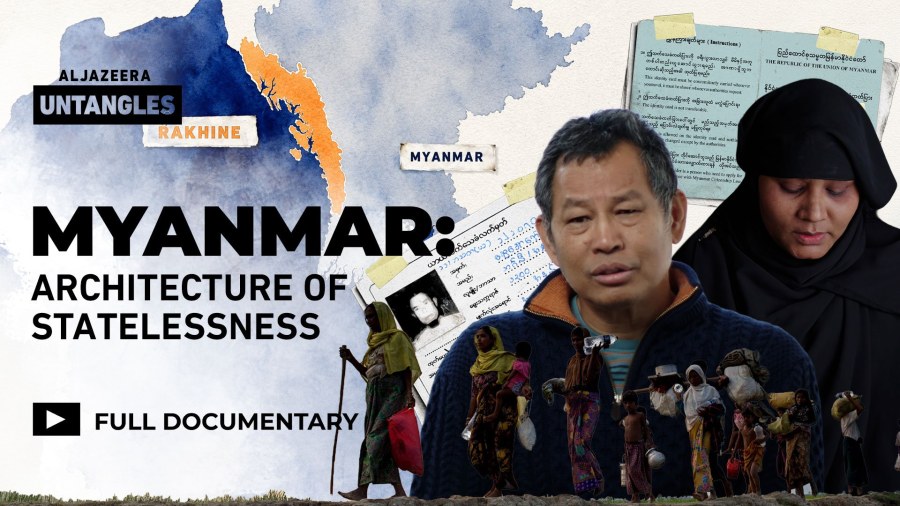
The Rohingya people of Myanmar have endured systematic exclusion, evolving into a form of state-sponsored statelessness that has now captured international scrutiny at the International Court of Justice (ICJ). For decades, military regimes in Myanmar have meticulously rewritten citizenship laws to marginalize the Rohingya, effectively excluding them from civil registries. These legal manipulations are bolstered by practical tools of control, such as identity documents, checkpoints, and travel permits, severely restricting the Rohingya's movement and access to rights.
The situation escalated with the 2016-2017 clearance operations, marked by village burnings, mass killings, and the exodus of hundreds of thousands of Rohingya to neighboring Bangladesh. These operations have been meticulously documented, providing substantial grounds for the genocide allegations currently facing Myanmar at the ICJ. Survivor testimonies and insights from legal experts reveal the extent of these atrocities, prompting the international community to consider their alignment with recognized thresholds for genocide.
Myanmar's defense strategies at the ICJ rest on contesting these allegations, seeking to refute claims of genocidal intent. As the court evaluates these charges, the verdict will hold significant implications for Myanmar and for international standards of human rights accountability. The outcome will influence not only the legal and diplomatic strategies of the involved parties but also set precedent in global human rights jurisprudence.