US-Japan Currency Intervention: Strategic Implications
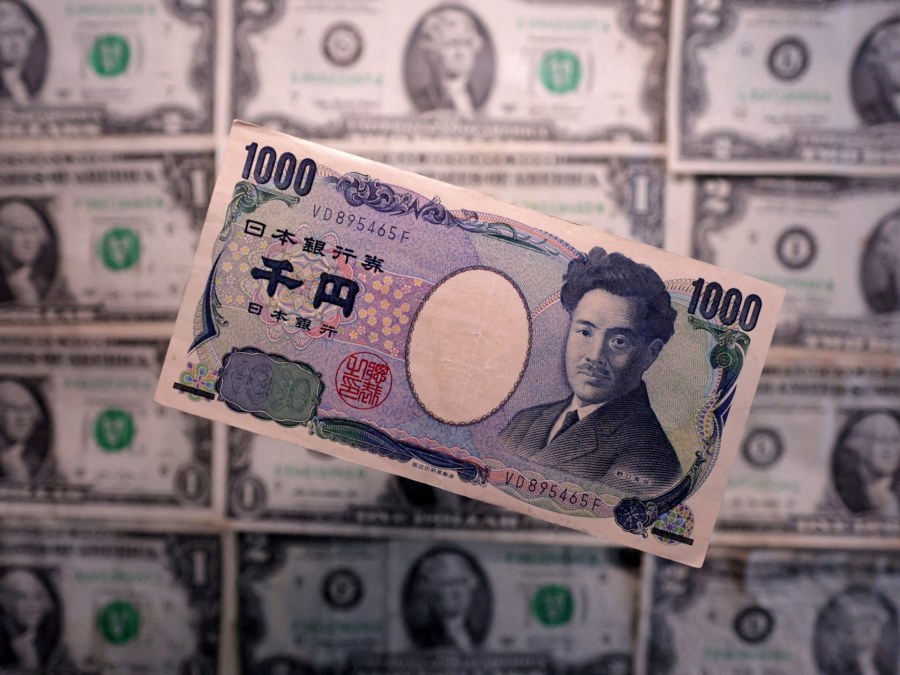
The United States and Japan recently executed a coordinated currency intervention to address the near-record depreciation of the Japanese yen against the US dollar. The yen's fall to a 40-year low raised alarms due to its status as the world's third-most-traded currency, an essential component in global finance. This measures the significance and potential repercussions of such interventions on international markets and economic stability.
Currency interventions, which involve government or central bank activities to stabilize a currency's value, are uncommon in their execution by one nation to bolster another's currency. This joint operation entailed the US Treasury selling euros for yen while Japanese authorities simultaneously increased their yen purchase. The intervention, initiated on July 31, led to a yen appreciation against the dollar, demonstrating the impact of coordinated financial strategies between nations.
Various factors, including prolonged economic issues and geopolitical tensions, culminated in this critical situation for Japan. Persistently low and sometimes negative interest rates by the Bank of Japan have, over decades, applied persistent downward pressure on the yen. While advantageous for tourism and exports, a weaker yen raises import costs, placing financial pressure on households. Despite substantial fiscal efforts by Tokyo, including under the current administration of Prime Minister Sanae Takaichi, these interventions underscore the delicate balance of monetary policy challenges faced by Japan.