Serbia's Protests Persist Despite Vucic's Resignation Pledge
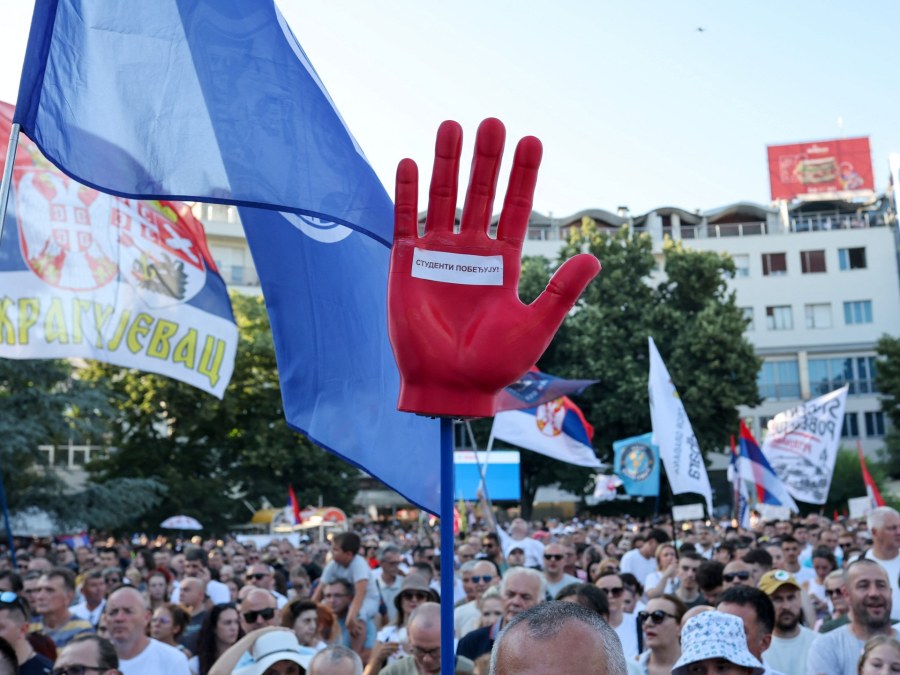
Protestors in the Serbian city of Kraljevo continue to demand political change, undeterred by President Aleksandar Vucic’s recent declaration of intent to resign. This announcement, made during a rally in Belgrade, signifies a potential political transition, yet skepticism persists among the populace. Participants in the demonstrations question the authenticity of Vucic’s departure and fear the continuation of his influence through other political avenues.
Vucic’s promise to step down comes amidst heightened domestic tensions and is perceived by many as a strategic maneuver rather than a genuine concession. Critics anticipate that Vucic will transition to the role of Prime Minister or wield power indirectly through a close associate ascending to the presidency. Such potential political reshuffling fails to allay concerns over his long-standing dominance in Serbian politics.
The roots of the public dissent trace back to a tragic incident in 2024, where infrastructure failures in Novi Sad resulted in numerous casualties, igniting public outrage over alleged corruption and mismanagement. This incident crystallized perceptions of governmental incompetence and fueled the most significant protests since the early 2000s. The civil unrest has drawn EU criticism over enforcement actions, with claims of excessive police force and unlawful detentions exacerbating the national divide.