Iran targets military bases as US launches wave of strikes
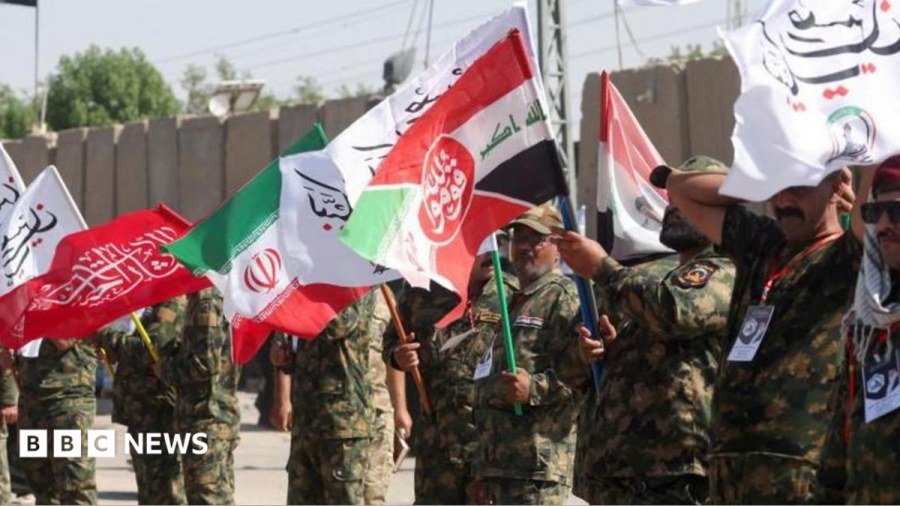
Tehran has launched fresh attacks on US military bases in neighbouring Gulf states, while Washington continued to strike sites across Iran overnight. Tehran said it had struck targets in the region, including in Jordan, Kuwait, and Bahrain, as a sixth day of renewed hostilities strained their preliminary deal to end the war. Meanwhile, the US military said it inflicted a six-hour wave of strikes in multiple locations to "degrade Iran's ability to threaten innocent mariners" in the Strait of Hormuz. The latest exchanges came after US President Donald Trump warned Iran it had "better behave" or face further military action should Iran not return to negotiations. On Tuesday, Trump threatened to target Iran's energy infrastructure if Tehran failed to return to talks. Iran's top negotiator, Mohammad Bagher Ghalibaf, told state media Tehran had "no reason" to abide by any agreement that did not benefit the country. He added that Iran's national security depended on maintaining what he described as "Iranian arrangements" in the Strait of Hormuz. In the latest attacks, the US targeted command centres, air defence sites, and coastal surveillance facilities across Iran - including in the port city of Bandar Abbas and Greater Tunb Island - US Central Command (Centcom) said. Explosions were heard across Iran and air defences were triggered in Tehran, Iranian state media reported. Shortly after, US allies in the Gulf reported attacks. Kuwait's military said it intercepted drone attacks, while Bahrain's interior ministry told citizens to remain calm and head to the nearest safe place. The Iranian military also said it targeted US communication systems and fuel storage facilities in Jordan in its latest round of strikes. As tensions intensify, the Strait of Hormuz - a critical waterway off Iran's coast that Tehran effectively blocked in response to US-Israeli strikes - remains closed. On Tuesday, the US said it had resumed a blockade on Iranian ports, which was previously lifted as part of a deal that was struck by the two countries last month - known as a memorandum of understanding. The following day, the US fired on and disabled an unladen, Curacao-flagged oil tanker, which Centcom said was attempting to sail toward a blockaded Iranian port. In response to the renewal of the US blockade, Iran's Revolutionary Guard Corps warned the US that it should "expect the closure of other oil and gas export routes that serve the interests of the United States and its allies". It did not elaborate on which routes could be affected. The ongoing hostilities have underscored the strategic importance of the Strait to the global economy, with a sharp rise in oil tensions.