Israel and the cost paradox of the Iran war
Since the breakout of war on February 28, the US-Israeli conflict with Iran has been framed as existential for Tel Aviv and Tehran. Yet a calm, structural reading of the past five months of fighting and faltering truces reveals a striking paradox: the party that incited this war has become the one least exposed to its fire and the one collecting most of its returns.
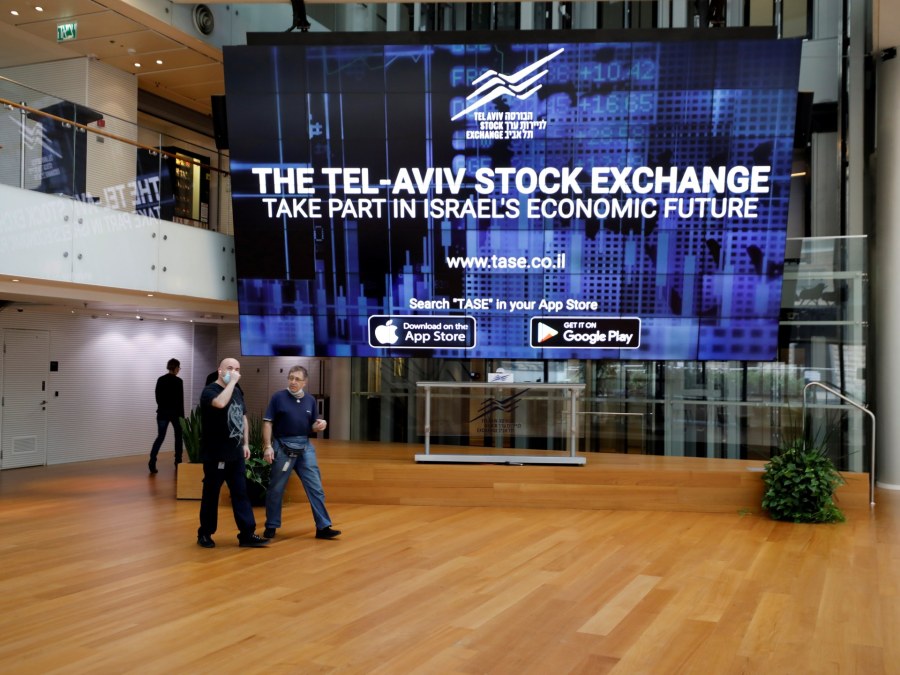
While Iranian missiles and drones fall on critical Gulf infrastructure, while Asian and Arab consumers absorb the bill for the closure of the Strait of Hormuz, and while American troops die in Iranian strikes, the Tel Aviv stock exchange keeps setting records, the shekel keeps rising, and Israel’s defence industries post unprecedented earning numbers. Israel is bearing the least cost of a war that is eroding its adversary’s defences and devastating its neighbourhood.
A security doctrine Iran built for four decades is now unravelling. It was premised on moving confrontation away from Iranian territory through a network of proxies and allies, from Hezbollah in Lebanon to the Houthis in Yemen and various armed factions in Iraq. That network was the core of Iranian deterrence and the lever of its expansionist policy. The current war has dealt this doctrine the harshest blow in its history.
Hezbollah entered 2026 already exhausted by its 2024 war with Israel and by the loss of strategic depth in Syria. In March, it committed a fatal error by intervening on Tehran’s behalf and drawing a devastating Israeli response. Then the United States put pressure on the Lebanese government to act against Hezbollah, leading to a prohibition on the group’s military activities and talk of disarmament.
The pro-Iranian Iraqi factions also intervened on behalf of their benefactor, but suffered losses in US strikes. The US managed to block the return of the pro-Iran Nouri al-Maliki to the prime minister’s post in Iraq and install a relatively unknown banker, Ali al-Zaidi. His government now is under severe pressure to move against pro-Iran factions and disarm them by the end of September or suffer punitive economic measures from the US.
The Houthis, having learned from Hezbollah’s fate and the cost of their previous rounds of confrontation with Washington, were reluctant to join the fray. They have now been compelled to act, but not against the US or Israel directly; they are targeting Saudi interests, thus facing off with one of the largest armies in the world, as well as Yemeni forces loyal to the internationally recognised government.