Repeating Patterns: Sudan's Genocidal Cycle Unabated
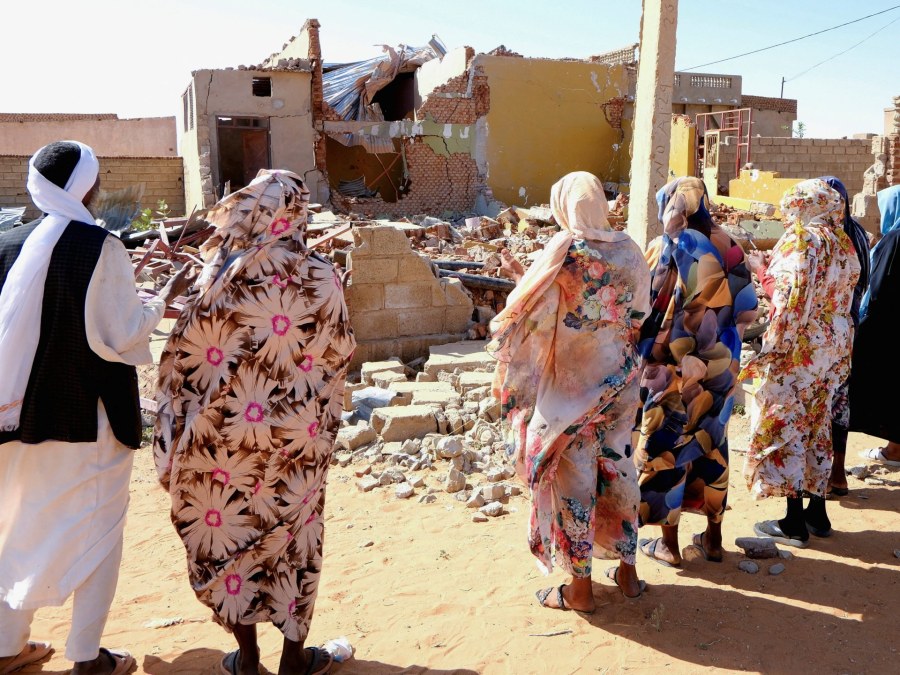
In the latest chapter of Sudan's protracted conflict, the city of el-Obeid has emerged as a focal point of devastation, as highlighted by the United Nations' recent 'red alert'. Strategically located in central Sudan, el-Obeid lies at the forefront of a bloody 40-month war between government forces and the Rapid Support Forces (RSF) militia. The ongoing violence has already displaced millions, rendering half of the nation dependent on external aid.
The RSF's strategy of drone strikes, totaling 27 in June alone, targets vital infrastructure in el-Obeid, crippling the city's utilities and complicating civilian life. Simultaneously, the RSF blockades have isolated the city, leaving residents trapped as adverse weather further restricts escape. Although government forces temporarily reopened the Sadarat highway to Khartoum, the threat of further RSF aggression looms large.
Historically, unchecked assaults have recurred across Sudan, as evidenced in 2025 in el-Fasher, North Darfur. Instances like this and the blockade of el-Geneina reinforced allegations against the RSF of committing genocidal acts. Despite multiple condemnations and acknowledgments of genocide from the international community, including the United States, meaningful intervention has been absent. The pattern bears unsettling resemblance to past global inaction during pivotal crises, notably the 1994 Rwandan genocide.