Andy Burnham: Unlikely Architect of Radical Change
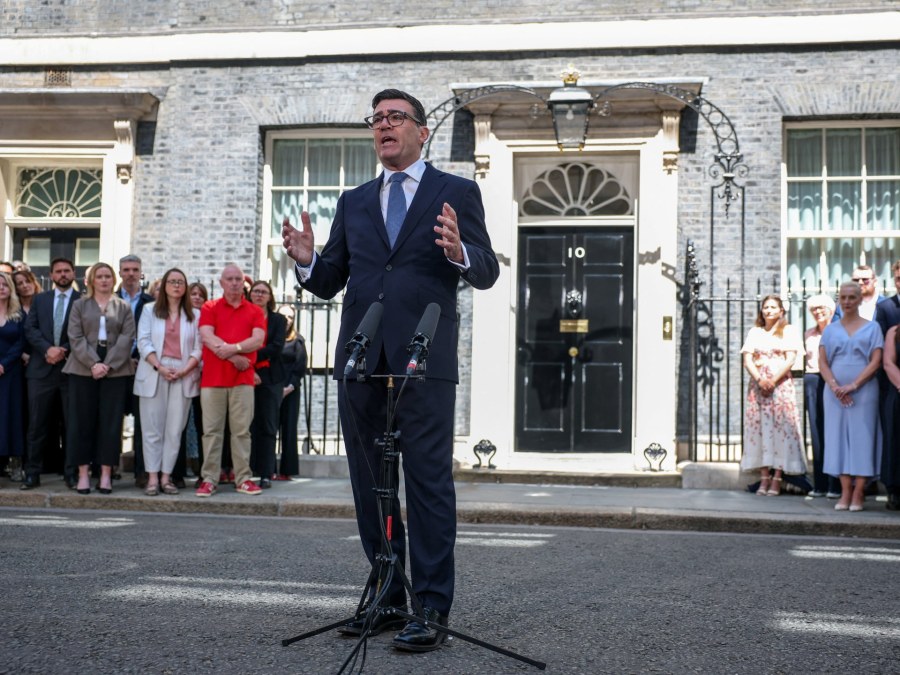
Andy Burnham's ascent to the position of British Prime Minister, following Keir Starmer's resignation under public pressure, finds him at the helm of a Labour Party critically weakened by waning support. As Burnham assumes office, he pledges a renewed focus on internal unity and addressing socio-economic challenges affecting the working class. However, skepticism surrounds his ability to deliver meaningful reform, particularly in areas of deep-rooted political contention such as Palestine.
Burnham has publicly acknowledged Labour's historical missteps on Gaza, suggesting a need for a more introspective approach. Despite these assurances, expectations for tangible change remain muted. Systemic complicity in controversial foreign policy issues, notably the UK's stance on Israel and Palestine, are entrenched obstacles that Burnham has yet to decisively confront, reflecting a reluctance to deviate from established political norms.
With a background marked by key roles within the government and as Mayor of Greater Manchester, Burnham is both a familiar figure and an unexpected choice purportedly offering a departure from the traditional Westminster elite. Nonetheless, his Oxbridge education places him within a long-standing political lineage. Meanwhile, Labour's broader struggles—tied to immigration policies and contentious international alignments—present formidable challenges that demand more than managerial adjustments but a transformative vision Burnham has not yet outlined.