Who is Mohsen Rezaei, and how significant is his appointment?
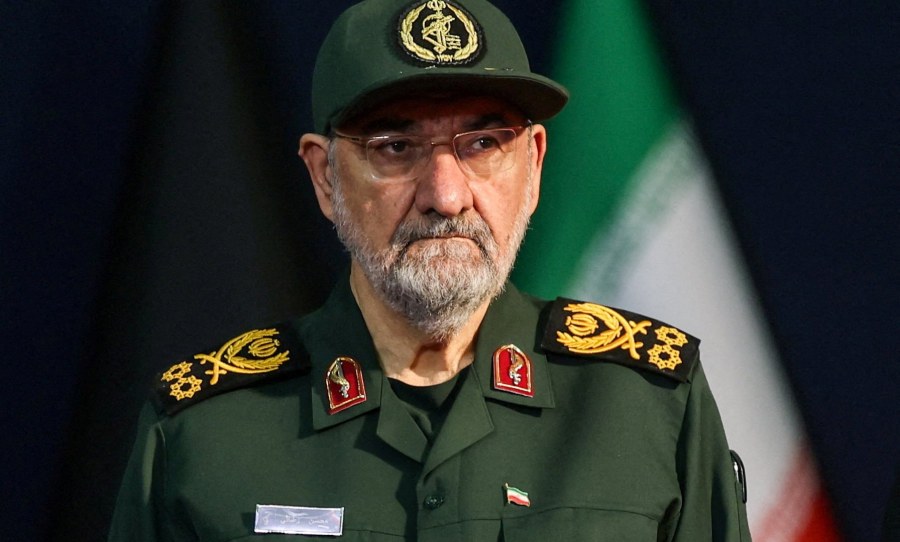
Mohsen Rezaei takes over as secretary of the Supreme National Security Council amid ongoing talks over the Strait of Hormuz, which Tehran has used as leverage during the months-long conflict with the US and Israel. He replaces Mohammad Bagher Zolghadr, who has been appointed as a political adviser to Supreme Leader Mojtaba Khamenei. The position was formerly held by Ali Larijani, who was assassinated in a US-Israeli strike in March.
Rezaei, 71, headed the IRGC from 1981 to 1997. That period included the Iran-Iraq War of the 1980s, referred to in Iran as the “Sacred Defence”. Rezaei then went on to serve as a member of Iran’s Expediency Discernment Council, which resolves disputes over legislation between parliament and the Guardian Council. The Guardian Council is a separate body appointed by the supreme leader that vets candidates for elected political office in parliament, presidency, and the Assembly of Experts. It’s also tasked with reviewing legislation to ensure compatibility with the constitution and Islamic law.
Rezaei has placed high importance on Iran maintaining control of the Strait of Hormuz, a narrow waterway through which a fifth of global oil and gas pass. In July, he said control of the waterway was worth more than “dozens of atomic bombs”. Last week, he warned the US it would “face serious risks and casualties” if its blockade of Iranian ports continues. Iran has imposed a blockade on the strait in response to the US-Israel war launched in February, while the US has hit Tehran with a naval blockade in efforts to put economic pressure on the country.
The Iranian president’s communications office announced on Sunday evening that President Masoud Pezeshkian had appointed Rezaei as secretary of the Supreme National Security Council, Al Jazeera Arabic reported. On the same day, Khamenei issued a decree appointing Rezaei as his representative on the council, making special reference to his experience and to his being among the “pioneers of the Sacred Defence era” during the Iran-Iraq war – a reference that reinforced the presence of his military background in interpretations of the reasons for his selection.