US-Saudi Nuclear Agreement May Shift Regional Dynamics
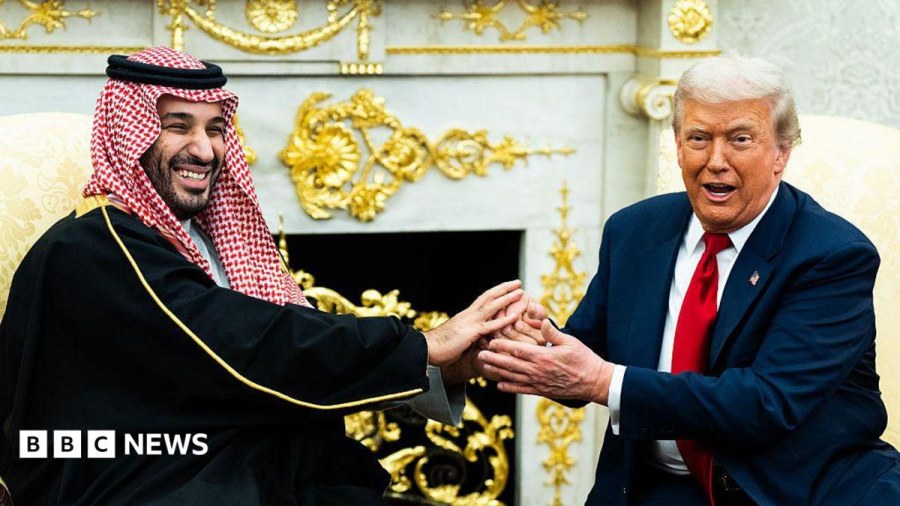
The United States is on the verge of finalizing a pivotal agreement with Saudi Arabia to facilitate the development of a civilian nuclear program within the kingdom. The deal, projected to be announced imminently by the Trump administration, would potentially permit Saudi Arabia to enrich uranium domestically, following a cooperative study with the U.S. This development marks a significant departure from prior U.S. agreements in the region, notably differing from the 2009 pact with the United Arab Emirates, which relied solely on imported nuclear fuel.
This landmark agreement could yield substantial economic benefits for American firms involved in constructing enrichment facilities, positioning the U.S. to gain billions from potential contracts. However, the strategic ramifications of allowing Saudi Arabia a pathway to enrich uranium have raised alarm among nuclear non-proliferation advocates and Israeli security officials, given the potential for eventual weaponization capability.
The deal arrives amidst enduring tensions surrounding Iran’s nuclear ambitions, with Saudi Crown Prince Mohammed bin Salman having previously articulated a willingness to pursue nuclear capabilities in response to any such development by Iran. As the proposed 30-year agreement awaits U.S. Congressional review, it is poised to face bipartisan scrutiny, given the geopolitical complexities and the omission of conditions related to Saudi-Israeli diplomatic normalization.