US-Iran Memorandum of Understanding expires: How and why it fell apart
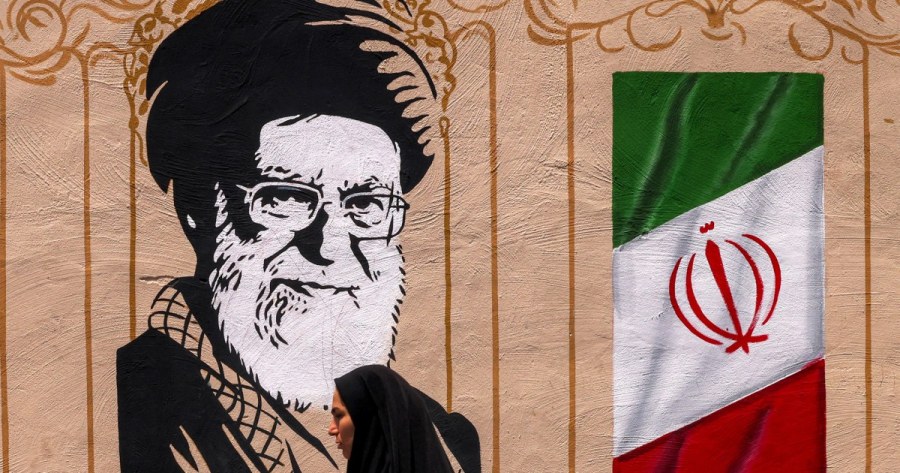
While full-scale fighting has been paused for the time being, the war on Iran, which began on February 28, is far from resolved. The Islamabad-brokered MoU was supposed to kick-start a 60-day period for peace talks between the two sides and included provisions for the reopening of the Strait of Hormuz, which has become a major flashpoint in the war. However, the vague wording of many of the clauses caused major disagreements – in particular over who had ultimate control over shipping through the strait, with Iran launching strikes on several ships which had failed to follow its approved route. As a result, the US re-launched strikes on Iran, triggering more attacks by Iran on US military assets in Gulf countries and Jordan as well as on energy and other infrastructure. Furthermore, while the MoU provided for a ceasefire on all fronts, including in Lebanon and Gaza, Israel has continued strikes on both territories and still occupies around one-fifth of Lebanon, where it says it is targeting strongholds of the Iran-backed Hezbollah.
We look at key moments of the MoU and why it broke down. What was the MoU between Iran and the US? The 14-point MoU was signed on June 17 between Iranian President Masoud Pezeshkian and US President Donald Trump. It was a ceasefire agreed after high-level talks hosted and mediated by Pakistan and triggered a 60-day period for negotiations aimed at reaching a wider peace deal. In the MoU, both sides agreed on the “immediate and permanent termination of military operations on all fronts, including in Lebanon”. Under it, the US agreed to end its naval blockade within 30 days, remove its forces from near Iran after a “final deal” was reached and begin work on a reconstruction and development package for Iran of at least $300bn. The US also agreed to lift sanctions on Iran, issue waivers for Iranian oil exports and allow Tehran to access frozen funds overseas. For its part, Iran pledged to clear mines from the Strait of Hormuz and allow ships to pass “with no charge” for 60 days. Tehran also reaffirmed it would not seek to build nuclear weapons and would negotiate over issues such as the enrichment of uranium. Further details of how this would work would come in a “final deal” to be backed by the United Nations. What were the key sticking points that crippled the MoU from the start? Ultimately, the woolly wording of the MoU was to blame for it breaking down.