Trump's Iran Deal Strategy Survives Senate Test
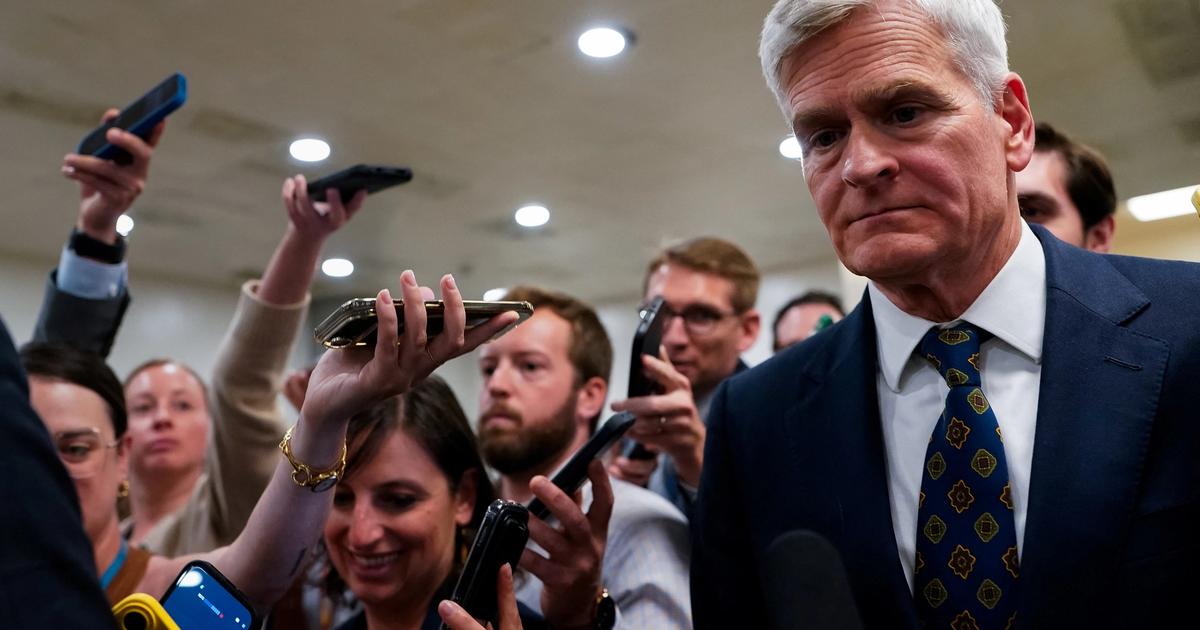
In a significant political maneuver, President Donald Trump and his administration scored a pivotal victory in the Senate, succeeding in quashing a war powers resolution concerning Iran late Wednesday. This comes on the heels of a strategic exertion of influence by both Trump and his top allies, emphasizing their commitment to negotiating an end to tensions with Iran.
Central to this success was Vice President JD Vance, who led a dinner meeting with key GOP senators. The gathering, which included White House envoy Steve Witkoff, was aimed at swaying skeptics of the administration's Iran policies. The efforts appeared fruitful as senators reportedly left the meeting with a more conciliatory stance towards the ongoing negotiations.
Delicate Diplomacy
One highlight from the events leading up to the resolution was the strategic briefing hosted by Steve Witkoff for Sen. Bill Cassidy, R-La. Despite President Trump's earlier public critique of Cassidy, the senator emerged from discussions aligned with the administration's view. This was a crucial turn as Cassidy voted against the war powers resolution, effectively assisting in its defeat.
Senator Rand Paul, R-Ky., also found himself at the center of attention. Following a contentious meeting with President Trump, Paul chose to vote 'present' on the resolution, a move that allowed the administration the necessary leeway to continue their diplomatic efforts with Iran, signaling a shift in his earlier stance on limiting presidential authority over military engagements.
Strategic Recess
The Senate's adjournment for a two-week recess arrives as a timely respite for the GOP, which remains starkly divided over the nature and direction of foreign policy with Iran. During this period, the administration has breathing room to finesse its diplomatic strategy, an essential window given the controversial nature of engagement with Tehran.
The outcome represents not just a tactical win for the Trump administration but also a broader commentary on the current state of Republican unity—or lack thereof—when dealing with foreign policy exigencies. With significant political capital invested in these negotiations, the administration's ability to sway crucial votes underscores the complexity of internal party dynamics and the persuasive power wielded by key figures such as Trump and Vance.
As the Senate reconvenes, all eyes will be on the administration's next moves in the international arena, and whether this victory translates into substantive diplomatic progress with Iran.