Tibet Faces Cultural Strain Under New Chinese Ethnic Law
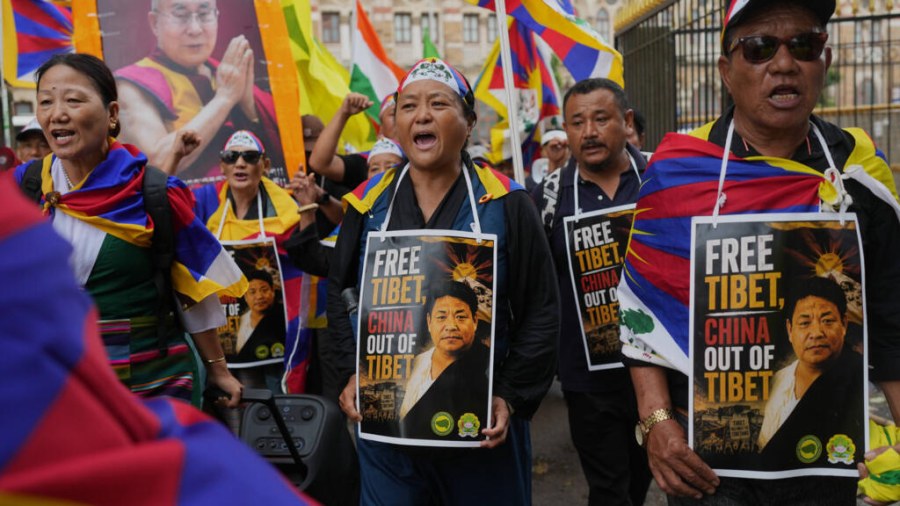
The recent implementation of China's Ethnic Unity Law marks a significant shift in Beijing's approach to fostering national cohesion across its diverse ethnic landscape. This legislation purportedly aims to bolster patriotic sentiment and unify all ethnic groups under a common national identity. However, the implications for minority regions like Tibet are profound, where concerns over cultural preservation are surfacing.
Within Tibet, tensions are rising as the predominance of Mandarin intensifies, paralleling an increase in Han Chinese settlement. The law, designed to integrate disparate ethnic groups, is perceived by Tibetan activists as a strategic move by Beijing to overshadow Tibetan cultural identity. This sentiment reflects a broader anxiety regarding the dilution of traditional local customs and languages.
For Beijing, the Ethnic Unity Law is a crucial measure to enhance the sense of belonging among all ethnicities to the nation-state. Yet, the friction it is generating within Tibet underscores the complex dynamics of implementing such policies in regions with distinct cultural heritages, presenting both challenges and opportunities in China's quest for a cohesive national identity.