US-Canada Tensions Spike Amid Looming Tariff Deadline
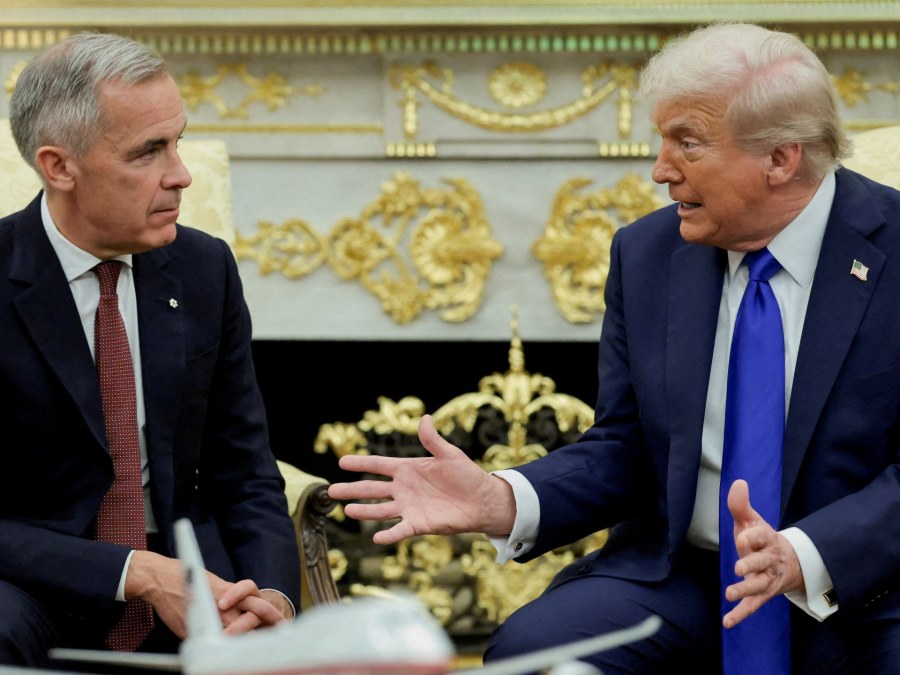
As the deadline for the imposition of new U.S. tariffs approaches, critical discussions have taken place between United States President Donald Trump and Canadian Prime Minister Mark Carney. The telephone conversation, which occurred on Monday, seeks to clarify the last-minute negotiations aimed at averting a significant hike in tariffs that would impact approximately $20 billion worth of imports. The tariffs are set to take effect from midnight Wednesday, targeting Canadian goods regardless of any preferential treatments under the US-Mexico-Canada trade agreement.
Prime Minister Carney highlighted the sensitive nature of the ongoing negotiations, refraining from disclosing substantial details. The White House and the Office of the U.S. Trade Representative have remained reticent, providing no immediate responses regarding the progress of talks. Historically, U.S.-Canada trade relations have weathered disputes over sectors such as softwood lumber and dairy markets, maintaining overall cordial ties. However, President Trump's strategic use of tariffs as an economic instrument during his second term has introduced a disruptive element into these dynamics.
Among negotiating complexities are the existing U.S. auto tariffs, with discussions centered around reducing current Section 232 tariffs on Canadian vehicles from 25% to potentially 15%. The reduction discussions pivot significantly on disputes over content calculation methodologies. The U.S. advocates counting only domestically produced content, while Canada insists on including all North American content. This points to broader implications for manufacturing sectors, with automotive industries on both sides constrained by narrow profit margins and potentially drastic economic impacts.