Temporary Ceasefire Between US and Iran: Strategic Implications
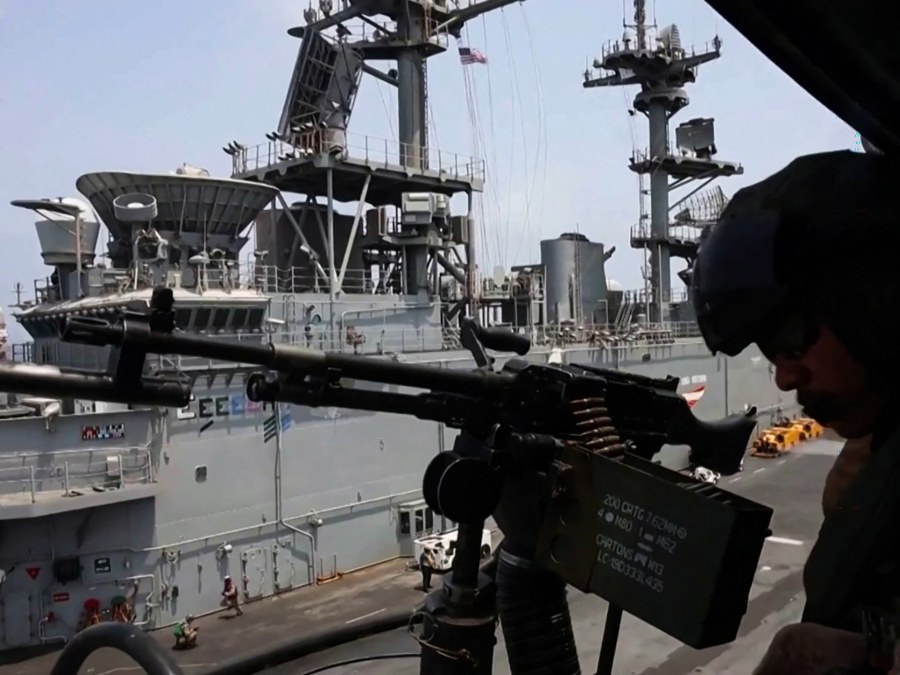
The United States and Iran have paused their escalating military exchanges for a second consecutive day, marking a significant moment amid heightened tensions. This cessation comes after two weeks of continuous attacks from both sides, and it sparks hopes for a diplomatic resolution. The halt follows the arrival of an Omani delegation in Tehran, suggesting potential mediation efforts are underway.
Despite official statements promoting a ceasefire, both nations remain cautious. U.S. President Donald Trump has maintained a dual stance of readiness for further military action while allowing diplomatic channels some breathing space. Iranian officials, meanwhile, express skepticism, citing historical instances where negotiations were followed by unexpected hostilities against them, notably involving both the U.S. and Israel.
The continuity of this pause hinges on the complex interplay of trust and strategic calculations between the involved parties. Tactical concerns, such as the U.S.'s reported stockpile constraints and Iran's readiness for retaliation, further complicate the decision-making landscape. Dialogue facilitation by intermediaries like Qatar and Pakistan may prove pivotal in diffusing tensions and paving the way for long-term resolution.