Suez Canal's Role in Asian Oil Stability Amid Red Sea Tensions
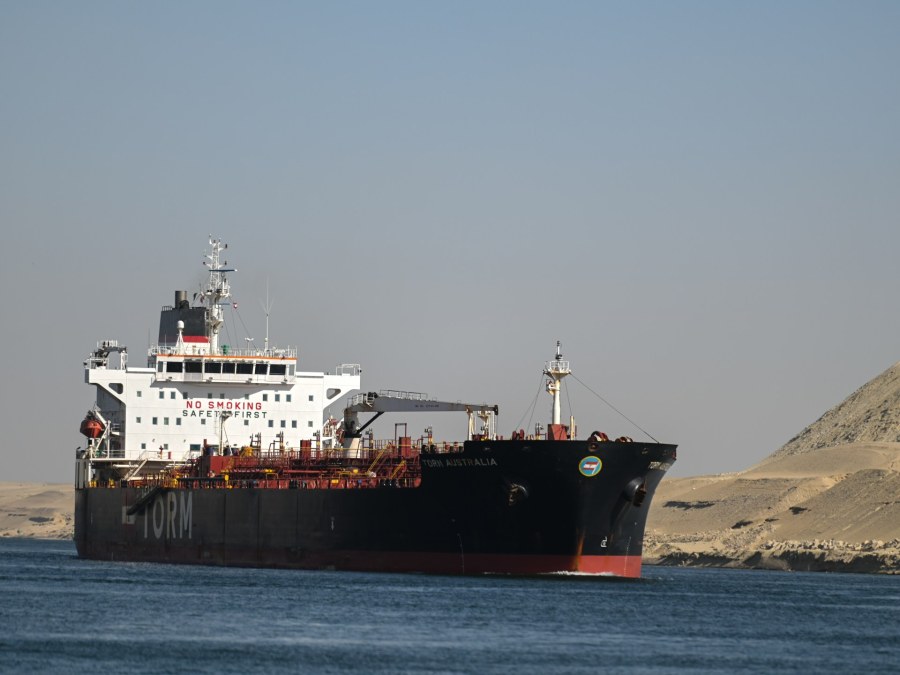
The recent blockade of Saudi ports by Yemen's Houthis, leading to the reversal of two tankers in the Red Sea, underscores growing vulnerabilities in global oil supply routes. The tankers, carrying 2.8 million barrels of Saudi crude, highlight the first tangible disruptions following the Houthi threat, exposing the fragility of Saudi Arabia's energy security strategy. With the Bab al-Mandeb strait compromised, an over-reliance on alternative routes becomes apparent.
Saudi Arabia has historically circumvented the volatile Strait of Hormuz by utilizing pipelines to Yanbu port. However, the blockade has surfaced new security challenges for transportation through Bab al-Mandeb. In response, Asian refiners are assessing the possibility of rerouting oil shipments via the Suez Canal, extending the journey significantly. This route, while potentially vital, poses substantial increases in logistical costs and delivery times, potentially exacerbating oil market fluctuations.
The strategic implications are notable as the Suez Canal route, though operable, may introduce prolonged delivery timelines and elevated freight costs, undermining efforts to stabilize the Asian oil market. As two critical chokepoints face significant pressures, the global energy landscape reevaluates strategies to mitigate potential supply shocks and price surges.