Strategic Reopening of Hormuz Spurs Oil Market Shift
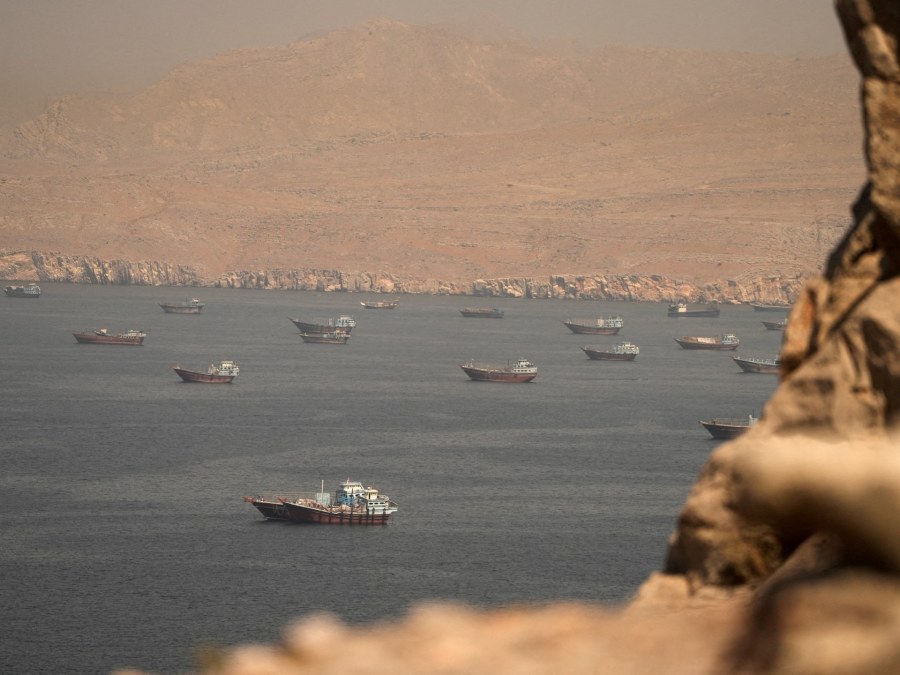
The reopening of the Strait of Hormuz has catalyzed a swift transition in global oil markets. Following a memorandum of understanding (MoU) between the United States and Iran, oil shipments through this critical passage have resumed, rapidly impacting global supply and prices. With indirect discussions facilitated in Qatar, this development has allowed for an unexpected flow of tankers, alleviating previous supply constraints.
Global oil prices have retracted as a direct result, seen notably in a steady price decline marked over recent days. The deterrence of immediate military escalation has been pivotal, with reports of approximately 35 tankers safely passing through Hormuz, reinstating near pre-conflict transit volumes. This has coincided with significant price movements, as Brent futures experienced a notable dip.
Analysts, however, caution against a newfound complacency. Economic signals from China, the world's leading oil importer, caution against an emergent glut, particularly if the country's import levels remain subdued. The broader implications of the US-Iran agreement hinge on the continuation of diplomatic overtures, as well as the robust monitoring of oil demand dynamics globally. The geopolitical underpinnings of this region continue to necessitate close scrutiny.