Spain's Strategic Relocation of Migrant Children from Ceuta
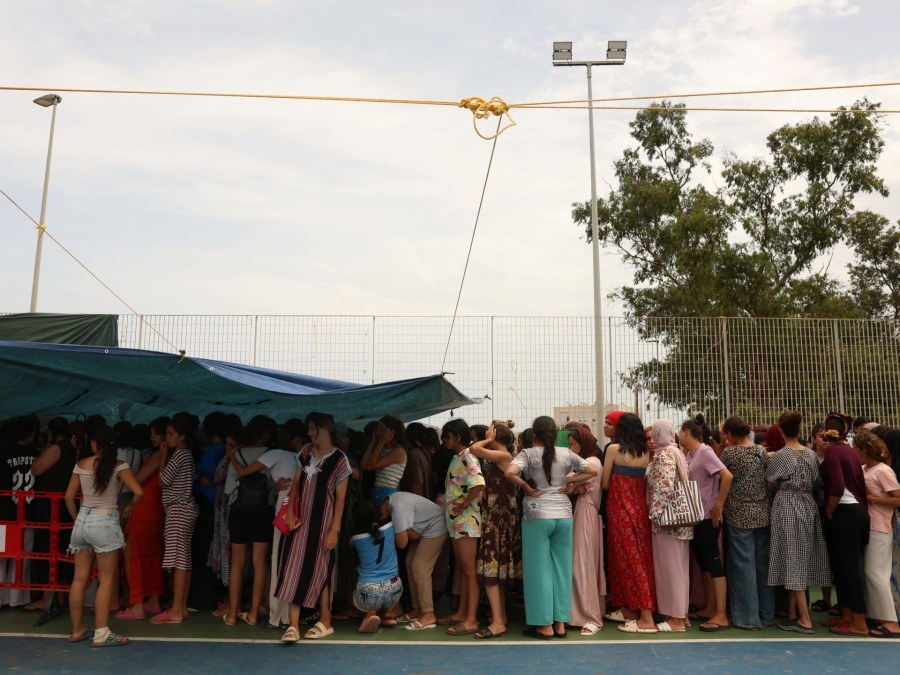
Spain has initiated plans to relocate approximately 500 unaccompanied migrant children from the North African enclave of Ceuta to the mainland. This decision follows a significant surge of over 70,000 migrants crossing from Morocco, which has severely overwhelmed Ceuta's child-protection infrastructure. The current influx has pushed facilities beyond their intended capacity, necessitating this urgent intervention.
The Ministry of Youth and Children, in a close collaboration with child protection organizations, will oversee the spread of these minors across various Spanish autonomous regions. These measures include placing children in foster care and reuniting them with any available relatives. This relocation seeks to alleviate the systemic stress on Ceuta's under-resourced facilities, where capacity now stands at 4,600 percent over the norm.
Despite the logistical and humanitarian underpinnings, the plan has faced significant political opposition. Voices such as the People's Party (PP) and the far-right Vox have criticized the initiative, emphasizing the need for repatriation of all individuals who have entered irregularly. In contrast, voices within Spain's pro-immigration government, such as Youth and Children Minister Sira Rego, oppose forced deportations, advocating for a more humanitarian approach based on voluntary return with robust safeguards.