South Africa's Stability Tested by Anti-Immigrant Protests
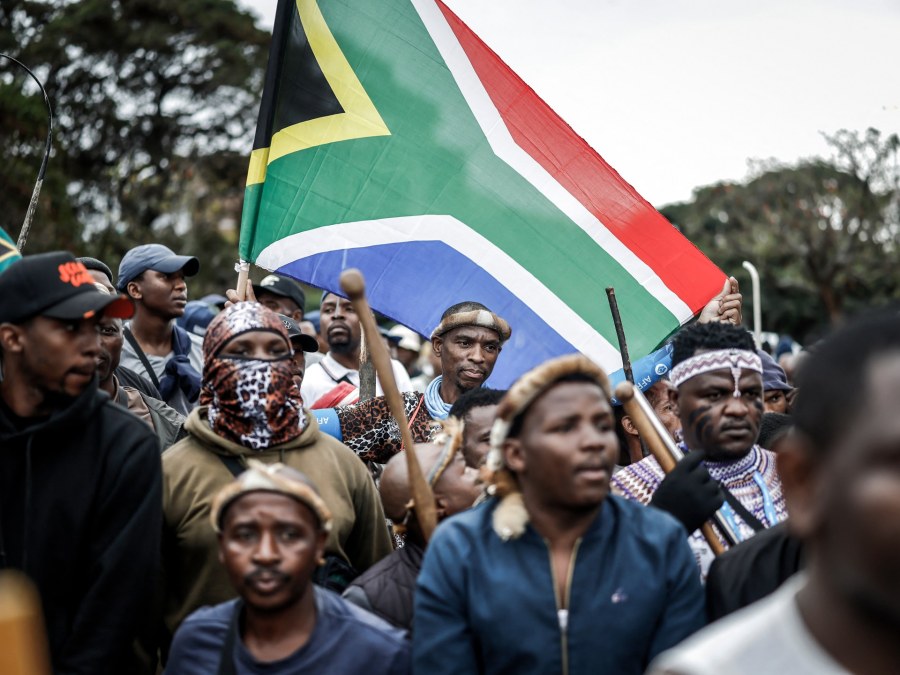
Recent escalations in anti-immigrant protests across South Africa have prompted authorities to mobilize police forces as urban centers brace for potential unrest. These demonstrations are spearheaded by groups demanding the expulsion of undocumented foreign nationals, setting an unofficial ultimatum for their departure. However, the South African government has dismissed these threats, labeling them as false provocations. Predictably, the anticipation of violence has caused significant anxiety among immigrant communities and led to widespread business closures.
President Cyril Ramaphosa addressed the escalating tensions, asserting that the constitutional right to protest does not confer a license to incite violence or engage in unlawful actions. His remarks underscore the challenge of balancing civil liberties with maintaining order, as frustrations mount among citizens about job opportunities and perceived government inaction. Despite assurances from the executive, fear pervades among foreign nationals, who face both physical threats and socio-economic backlash.
The protests, which originated as isolated events in April, have witnessed a disturbing rise in xenophobic attacks, resulting in fatalities among Mozambican, Ethiopian, and Malawian individuals. The violence transcends the publicly stated targets of undocumented migrants, affecting legally residing foreign nationals as well. Many find themselves displaced and vulnerable, seeking refuge at consulates or safe shelters as the nation grapples with a crisis that tests its societal fabric.