What lies ahead for Iran’s economy as scope of US war grows beyond Hormuz?
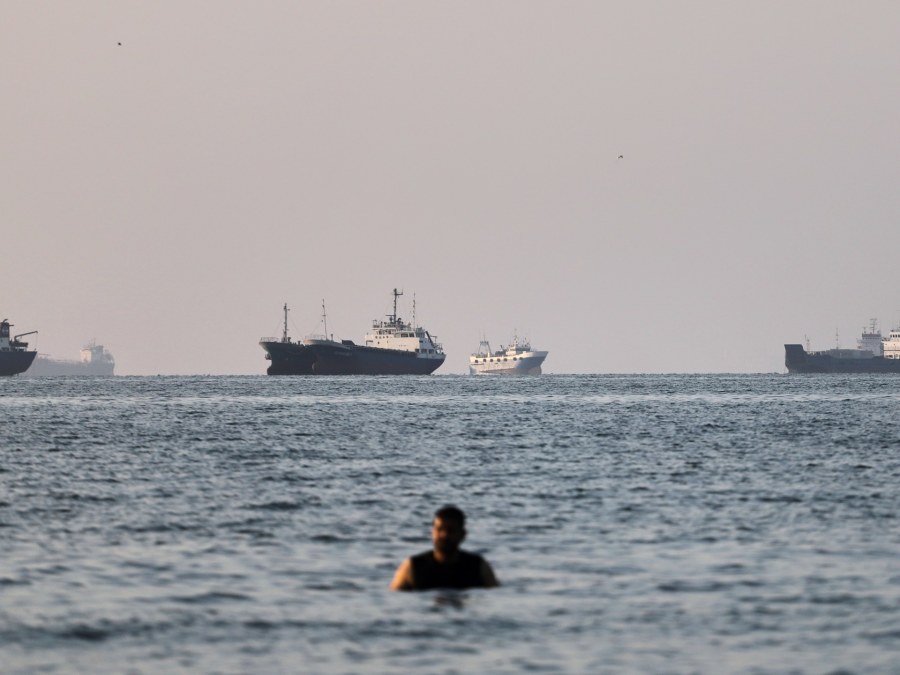
The near-total closure of the strategic waterway, disruptions in the Red Sea by the Iran-aligned Houthis in Yemen, and Ukraine attacking an Iranian vessel in the Caspian Sea have all kept tensions high.
Iran’s government is also facing more tough choices, including a potential fuel price hike amid high social and economic discontent, as the US military enforces a naval blockade of the country’s southern ports for a second time.
The Ministry of Petroleum said on Saturday that Iran has sold $11.5 billion of crude oil during the war without specifying the exact dates and $6.5 billion during the period of the now-suspended memorandum of understanding (MoU) signed with the US last month. It said the combined figure represented 60 percent of the full-year oil revenue target in the budget.
The signing of the June 17 MoU led to the partial reopening of the Strait of Hormuz and lifting of the US naval blockade on Iran, which eased some of the pressure on global oil markets and allowed Iran to export oil stored on supertankers waiting to sail from its territorial waters. Iran’s Petroleum Ministry said increased oil prices generated about $3 billion in additional value in the first half of the year and $11 billion from the yields has so far been transferred to government coffers despite US embargoes.
During the previous blockade that was imposed on April 13 and lasted a little over two months, Iranian authorities attested to near-zero crude exports. A prolonged second blockade risks further reducing Iran’s export revenues and piling pressure on Kharg Island, through which about 90 percent of Iran’s crude oil exports pass, and other Iranian storage and export sites, which could in turn affect production at petrochemical plants and make an eventual restart costlier and slower.
The US military’s Central Command (CENTCOM) said that as of Saturday, soldiers had redirected 12 commercial vessels trying to run the blockade that has been in place since.