Nigeria cannot build safe schools in unsafe communities
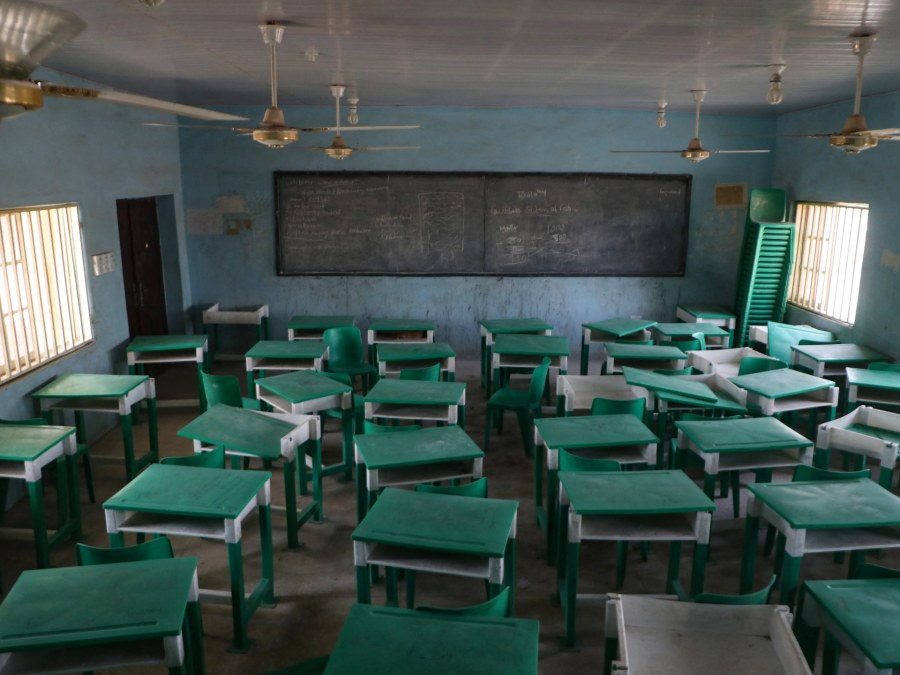
"I am profoundly happy," Nigerian President Bola Tinubu said after security forces rescued 39 pupils and six teachers who had spent 56 days in captivity. Gunmen had abducted them from three schools in the Oriire Local Government Area of Oyo State on May 15.
Their rescue brought immense relief. But it also exposed a deeper failure: More than 12 years after the Chibok abduction prompted Nigeria to make schools safer, dozens of pupils and teachers could still be seized from their schools and held for nearly two months.
On April 14, 2014, Boko Haram abducted 276 schoolgirls from Chibok in Borno State in northeastern Nigeria. The attack captured the world's attention and became a defining moment in Nigerian history. It led the United Nations, global business leaders, and the Nigerian government to launch the Safe Schools Initiative (SSI) the following month, initially covering 500 schools in the northeastern states.
The Oyo abduction, therefore, did more than bring school safety back to the top of the national agenda. It raised serious questions about what the initiative has achieved and whether protecting school grounds alone can keep children safe while a lack of security continues beyond them.
On paper, SSI provides for school perimeter fencing, access control and enhanced security infrastructure as well as local guards and security personnel, community-based early-warning systems, the relocation of at-risk students to safer schools, psychosocial support for survivors and temporary learning centres in camps for internally displaced people.
Since then, Nigeria's safe-schools framework has been expanded to include all 36 states and the Federal Capital Territory. Some states, such as Lagos and Ogun, have adapted and strengthened its implementation by introducing safety audits and establishing safety committees.
Yet nationally, the initiative has fallen far short of its promise. In June, the Socio-Economic Rights and Accountability Project called for an investigation into allegations that funds allocated to SSI had been mismanaged or diverted amid scrutiny of the 145-billion-naira ($106m) financing plan.
According to data in Nigeria's National Plan on Financing Safe Schools, more than 42,000 primary and secondary schools across northern Nigeria lacked perimeter fencing. The gap between the initiative's funding commitments and conditions on the ground has raised questions about the program's effectiveness in ensuring school safety in the broader context of community and national security challenges.