Mecca Defence Pact: Redefining Middle Eastern Alliances?
The recent formation of a mutual defence pact in Mecca, involving Saudi Arabia, Turkiye, and Pakistan, has signaled a potential shift in Middle Eastern security paradigms. The agreement, perceived by some analysts as a subtle departure from reliance on the United States, showcases an emerging self-reliance among the region's traditional allies of Washington.
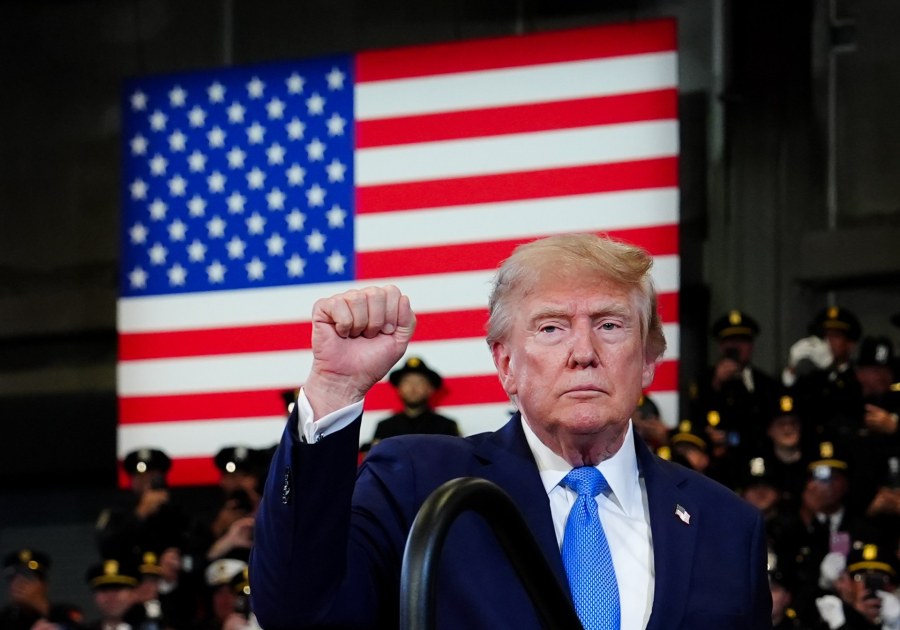
US President Donald Trump, addressing the development, conveyed approval, suggesting this regional initiative reflects an alignment with his longstanding criticism of allies reliant on American defense resources. Trump, in commentary on social media, expressed satisfaction with the trilateral pact, interpreting it as a pivotal step towards regional self-sufficiency in military initiatives.
This development raises pertinent strategic questions: Can localized defence agreements effectively supplant the extensive security guarantees historically provided by the United States? While the Mecca pact marks a significant step in collaborative military investment, the extent of its impact on US strategic calculus remains a subject of intense analysis as Washington reevaluates its defense commitments globally.