UN discusses prevention of genocide: Six times it failed to do just that
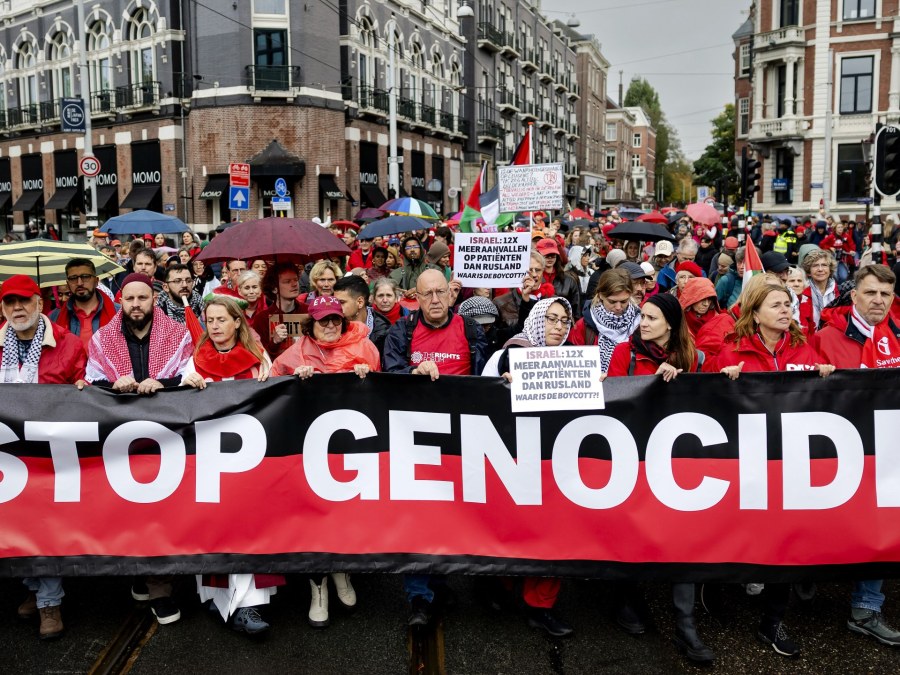
The meeting on Monday at UN headquarters in New York comes amid Israel’s genocide in Gaza, the Rapid Support Forces’ and allied militias’ ongoing genocide in the Darfur region of Sudan, and other humanitarian crises around the world, which many critics say the international community has done very little to address. While the UN meeting may result in protocols that countries need to follow to prevent future genocides, observers are sceptical that these will make much difference to victims on the ground.
How does the UN define genocide?
In 1944, Polish lawyer Raphael Lemkin used the term “genocide” for the first time in his book Axis Rule in Occupied Europe. The prefix of the word is “genos” and means “race” or “tribe” in Ancient Greek. The suffix “cide” is Latin and means “killing”. In 1946, the UN General Assembly recognised genocide as a crime for the first time. According to the world body, the term genocide was then “codified” as an independent crime in the 1948 Convention on the Prevention and Punishment of the Crime of Genocide, or the Genocide Convention, which came into effect in 1951 and has been ratified by 196 countries. The UN’s Geneva Conventions define genocide as any act committed “with intent to destroy, in whole or in part, a national, ethnical, racial or religious group”. This includes “killing members of the group, causing serious bodily or mental harm to members of the group, deliberately inflicting on the group conditions of life calculated to bring about its physical destruction in whole or in part, imposing measures intended to prevent births within the group, [and] forcibly transferring children of the group to another group”.
Which are some of the genocides the world has failed to act on?
Genocide in Rwanda
In 1994, members of the majority Hutu ethnic group in Rwanda massacred an estimated 800,000 minority Tutsis.