The British state has recast protest as terrorism
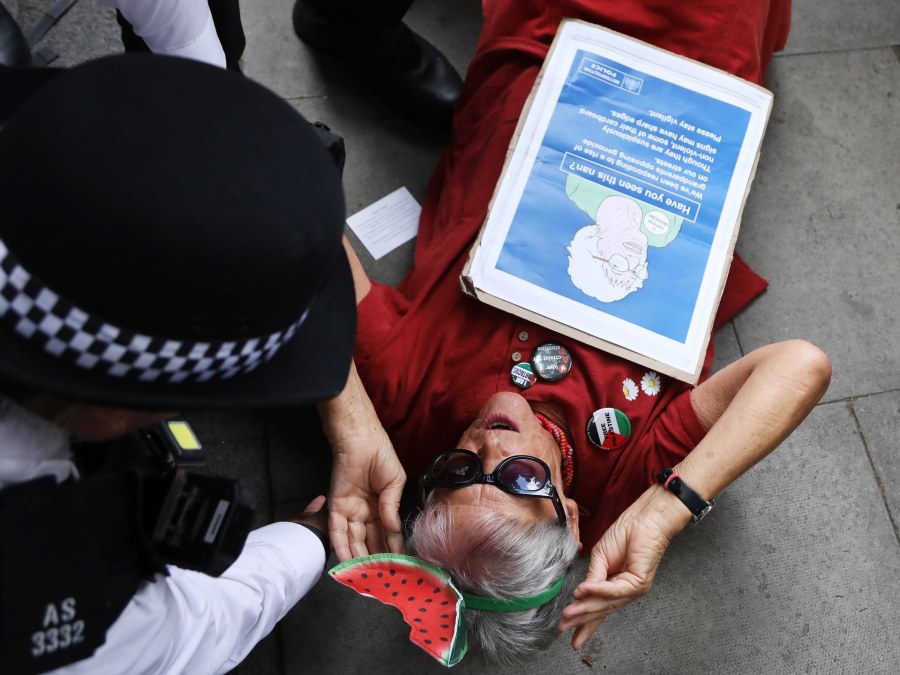
Most people, when asked what terrorism is, will say that it is the use of violence and terror to create fear among people. This is broadly the dictionary definition. The 2017 Manchester Arena bombing at an Ariana Grande concert, in which 22 people, including many children, were killed, is a clear example.
Yet the legal definition of terrorism in Britain is far broader than this common understanding. Section 1 of the Terrorism Act 2000 allows even “damage to property” to constitute terrorism when it is carried out for a political, religious, racial or ideological purpose and is intended to influence the government or intimidate the public. Where firearms or explosives are involved, the latter requirement does not apply.
Including politically motivated damage to property within the definition was controversial from the start. When Parliament debated the bill in 1999, animal liberation activists were among the groups MPs had in mind.
Labour MP Alan Simpson warned during the debate that by defining attacks on property as terrorism, “we transform the relationship between civil protest movements and elected Parliaments and the judicial system.”
The criticism did not end with Parliament. The Supreme Court later described Section 1’s definition of terrorism as “very far-reaching”, while David Anderson QC, the independent reviewer of terrorism legislation, called it “remarkably broad – absurdly so in some cases”.
In his 2012 report, Anderson observed: “The current law allows members of any nationalist or separatist group to be turned into terrorists by virtue of their participation in a lawful armed conflict… however odious the regime which they have attacked.”
In his 2014 Terrorism Report, he warned: “To render people subject to the terrorism laws whom no sensible person would think of as terrorists risks destroying the trust upon which these special powers depend for their acceptance by the public.”
Yet defining what can count as terrorism is only part of the story. Not every organisation whose conduct falls within that definition is proscribed. That decision rests with the government.