Israel's Escalating Strikes in Southern Lebanon: Strategic Underpinnings
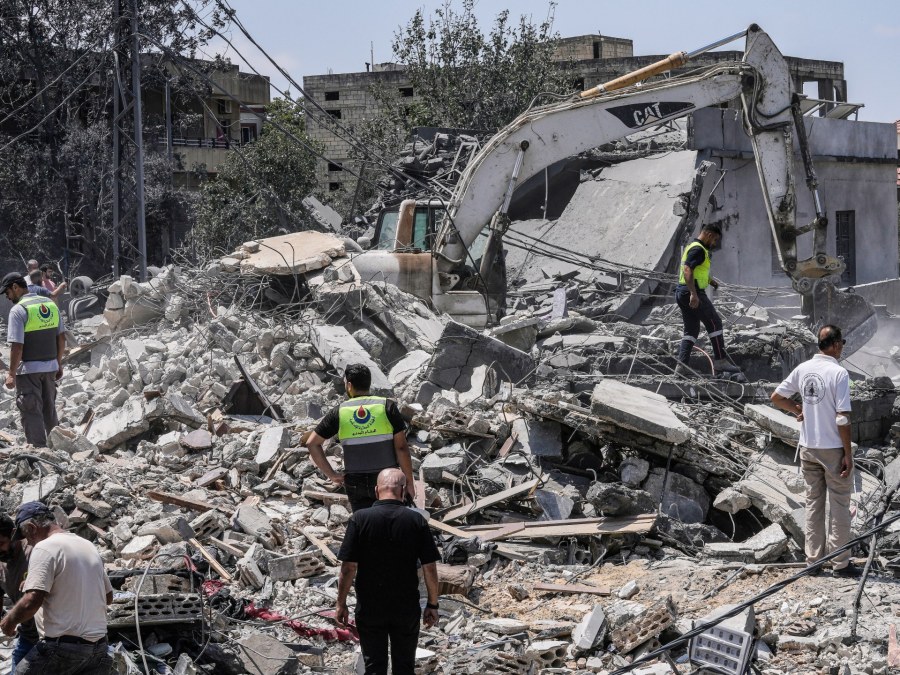
The recent Israeli military offensives in southern Lebanon mark a sharp escalation in hostilities, casting a shadow over the two recently brokered US-mediated ceasefire agreements. Despite commitments established on June 4 and June 26, which sought to halt aggression contingent upon Hezbollah's disarmament, intensified Israeli airstrikes have resulted in significant casualties. The Lebanese Ministry of Health confirms 11 fatalities, including several children, amidst broader devastation in regions like Nabatieh.
The ceasefires have failed to quell Israeli momentum, highlighting strategic intentions beyond the immediate cessation of Hezbollah activities. Both ceasefires, particularly resisted by Hezbollah, have been insufficient in taming Israeli territorial control and military operations, which persist unabated. Lebanese officials and residents express mounting concern over this emboldened military posture, correlating it with Israel's broader security and geopolitical aims.
As Lebanon prepares for renewed diplomatic engagements with Israel, the precise motivations driving Israel's latest military conduct remain complexly tied to domestic security considerations and regional stability dynamics. This uptick in aggression underscores the fragile nature of ceasefire agreements amidst entrenched positions by both parties, necessitating renewed international diplomatic intervention.