Escalating US-Iran Tensions Impact Oil Prices and Hormuz Security
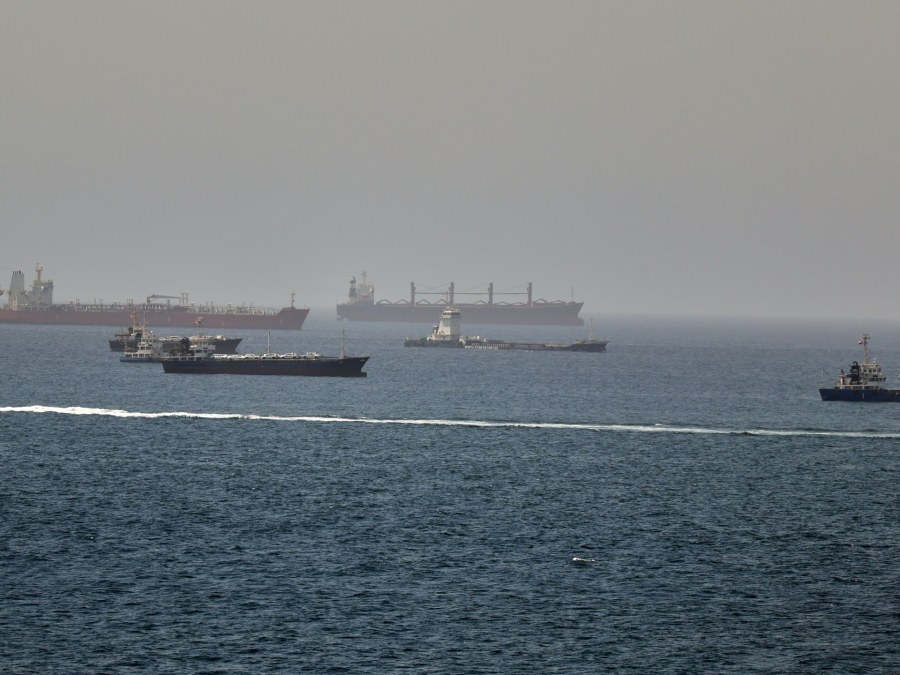
Oil prices have ascended to a one-month high amid escalating hostilities between the United States and Iran, creating volatility and uncertainty around the Strait of Hormuz. This critical maritime chokepoint, vital for global oil shipments, is witnessing heightened tension as confrontations continue between these adversarial powers.
Renewed military engagements have disrupted the relative calm that followed a recent memorandum of understanding aimed at stabilizing the region. US Central Command sustained offensive operations against Iranian positions, citing threats to commercial shipping and civilian safety in the area. Tehran's retaliatory measures, involving strikes on oil tankers and US assets in neighboring countries, accentuate the frail state of peace.
Consequently, traffic through the Strait of Hormuz has reduced sharply. Amid fears of further hostilities, a significant decrease in vessel transits compounds the market's anxiety. Statements by the US Administration, announcing the reimposition of a blockade and transit fees, have further compounded strategic considerations for traders and stakeholders reliant on Hormuz for oil transport.
The reverberations of this renewed conflict are immediately reflected in the performance of Brent crude, which has experienced a considerable price uptick. As supply chain concerns mount, analysts warn of an impending market imbalance unless diplomatic rhetoric de-escalates and operational risks diminish. With the situation in flux, the prospect of a sustained resolution remains precarious.