South Korea’s rookie investors lose small fortunes amid AI stocks frenzy
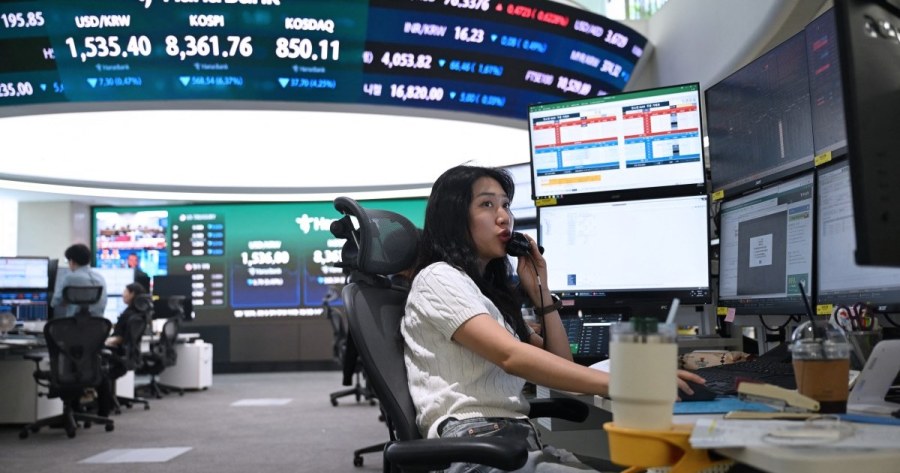
Eun-bi, a civil servant in her thirties, bought several of the market’s star performers, chief among them memory chipmaker SK Hynix, and a United States-listed fund that tracks the semiconductor industry, hoping to raise funds for her wedding in April next year. But when South Korea’s benchmark KOSPI index plunged nearly 40 percent from its June peak, Eun-bi’s portfolio lost tens of thousands of dollars, throwing her wedding plans into doubt.
“Now I’m wondering if I should scale down the ceremony or skip the honeymoon,” Eun-bi, who requested to be identified only by her first name, told Al Jazeera.
Eun-bi is among the millions of South Koreans who invested enthusiastically during the biggest stock market rally in the country’s history, making huge gains only to see much of their profits evaporate just as quickly. Many first-time investors got into stocks at the encouragement of President Lee Jae Myung, who has promised to make South Korea’s stock market, which long lagged international peers, work for citizens.
While the market has made up some ground since July’s rout, it remains highly volatile. On Wednesday, the KOSPI dived nearly 6 percent, following a 1.55 percent drop the previous day. After a rollercoaster past several weeks, the index is up about 50 percent since the start of the year but 30 percent below its all-time high.
The wild swings have prompted scrutiny of the Lee administration’s efforts to make the stock market more accessible to investors, including by approving the sale of riskier leveraged investment products. At the same time, analysts say the government is not solely to blame. With Samsung Electronics and SK Hynix, two of the world’s largest chipmakers, accounting for more than half the index, the KOSPI’s fortunes largel