The post-Hormuz era offers Africa a great opportunity
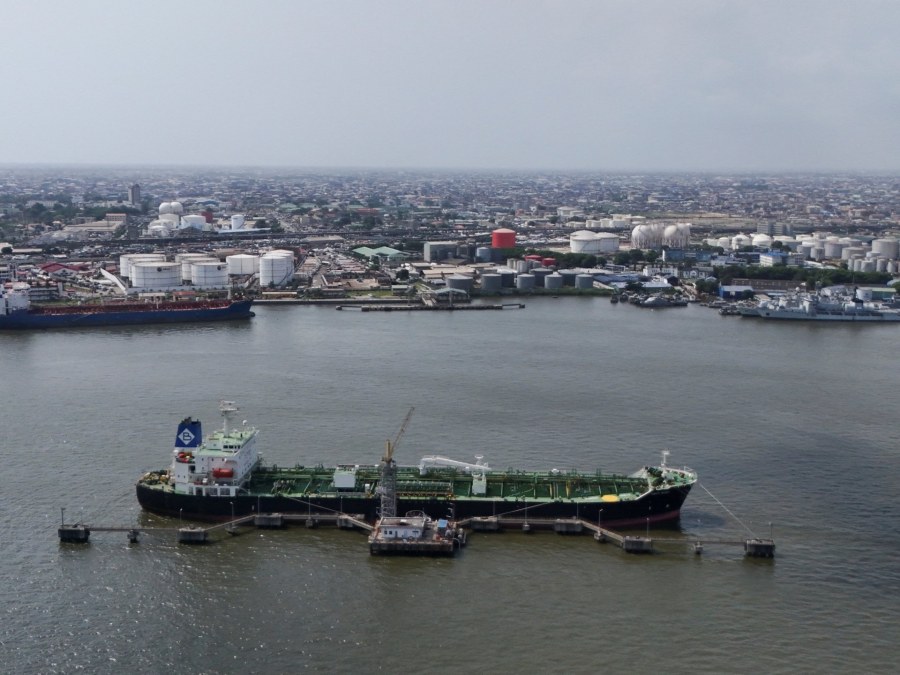
As the disruption of traffic in the Strait of Hormuz continues, African economies have taken a heavy hit. This is despite the fact that they possess vast energy and other resources. Four years ago, the Russia-Ukraine war had a similar impact.
As we enter what I call the post-Hormuz era – a time in which the global system is no longer defined by a single chokepoint – Africa has the unique opportunity to reverse its fortunes and emerge from the periphery of world geopolitics. Instead of being a passive supplier of resources and a recipient of strategic decisions taken in other geographies, it can create its own geopolitical context. Here is how.
What African states fear
The first step in Africa’s transformation is a collective push to overcome what I have termed thalassophobia: a historical tendency among African states to regard the sea above all as a physical boundary rather than as a space of economic, political and military projection.
For decades, the African strategic imaginary was shaped above all by terrestrial threats — wars of national liberation, civil wars, insurgencies, coups d’etat and border conflicts. The sea remained peripheral not only in public policy but also in the strategic culture of the elites. This legacy helps to explain why Africa produced abundant reflection on land security but far less on maritime power, the blue economy, oceanic corridors and naval projection.
The other problem is that African states are often afraid of collectively assuming the political, financial and institutional costs of a common continental strategy, preferring fragmented national responses to an integrated vision of the African space. The reasons are structural, not merely circumstantial. The first is the primacy of sovereignty. African states inherited colonial borders and made territorial inviolability the founding principle of the post-independence order — enshrined in the foundations of the Organisation of African Unity established in 1963 and its successor, the African Union.
Yet a common maritime strategy requires the sharing of sovereign prerogatives: jurisdiction over exclusive economic zones, rules of engagement, joint commands, the surrender of sensitive intelligence.
The second reason is the heterogeneity of interests. Africa has not one but several maritime frontages where threats differ: piracy and crude oil theft in the Gulf of Guinea, illegal fishing and trafficking in the Western Indian Ocean and migratory flows in the Mediterranean. Forging a single agenda out of such divergent priorities is an arduous task, and fragmentation of approaches is common.