Yemen is edging closer to renewed confrontation
In the space of just a few days, Yemen appeared to be slipping out of its fragile de-escalation and back into the heart of regional tensions. The incident involving the Iranian aircraft that entered Yemeni airspace was not merely a dispute over a flight. It exposed the extent to which the war in Yemen has become intertwined with the confrontation between the United States and Iran, and raised an old question in a new form: Can Yemen remain outside any broader regional escalation?
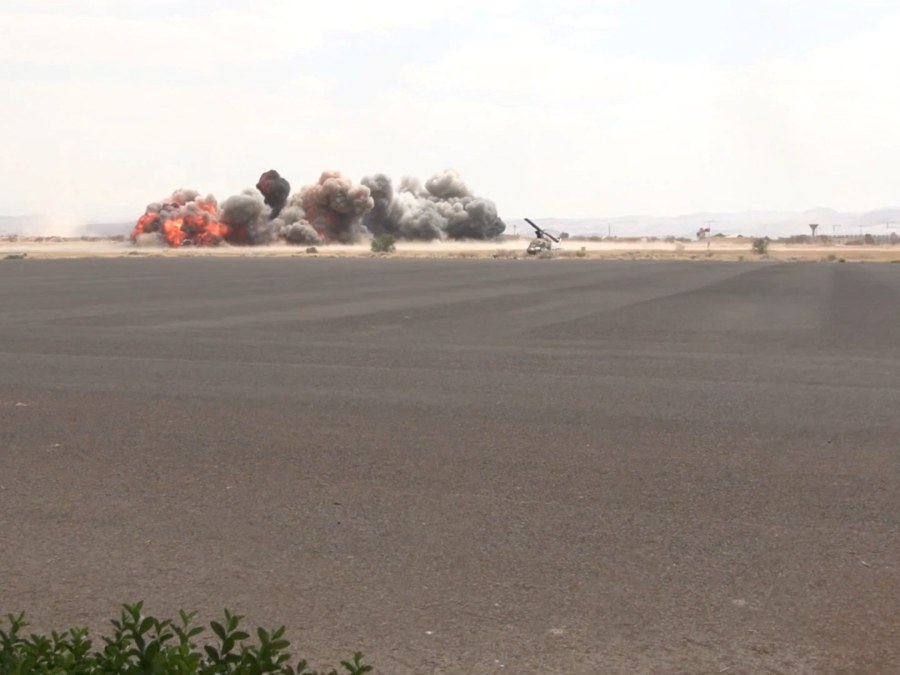
The Iranian aircraft’s attempt to land in Sanaa, the subsequent targeting of the airport runway to prevent it from doing so, and its eventual landing in Hodeidah opened a dispute that extends far beyond civil aviation. The internationally recognised Yemeni government and Saudi Arabia treated the flight as a test of sovereignty and of Iran’s ability to establish a direct link with Houthi-controlled areas. The Houthis and Tehran, meanwhile, presented it as an attempt to break the restrictions imposed on Sanaa.
The Houthis’ response against Saudi Arabia was therefore not entirely unexpected. Their targeting of Abha airport in retaliation for the strike on Sanaa airport that prevented the aircraft from landing marked the first Houthi-claimed attack on Saudi Arabia since the informal truce began in March 2022. So far, however, the attack has remained limited, and Saudi Arabia has not responded with a full-scale military campaign. This suggests that, despite the heightened escalation, both sides are still proceeding with careful calculations.
The US Department of State responded to a question from a television channel about reports that President Donald Trump had given Saudi Arabia the green light to act against the Houthis. Washington did not explicitly confirm those reports. It said it was monitoring them, before firmly affirming its support for Saudi Arabia in confronting what it described as Iranian aggression, including attacks by the Iran-backed Houthis. More importantly, the State Department directly linked Houthi attacks and the threats the group has issued to core US interests in the region, foremost among them freedom of navigation in the Red Sea and preventing the export of terrorism.
This language does not mean that a decision to go to war has been made. But it does indicate that the Houthis’ place in US calculations has changed. The group is no longer viewed solely as a Yemeni actor, but as part of Iran’s network of influence, capable of threatening both Saudi Arabia and the Red Sea.