Yasukuni Shrine: Japan's Lingering Wartime Controversy
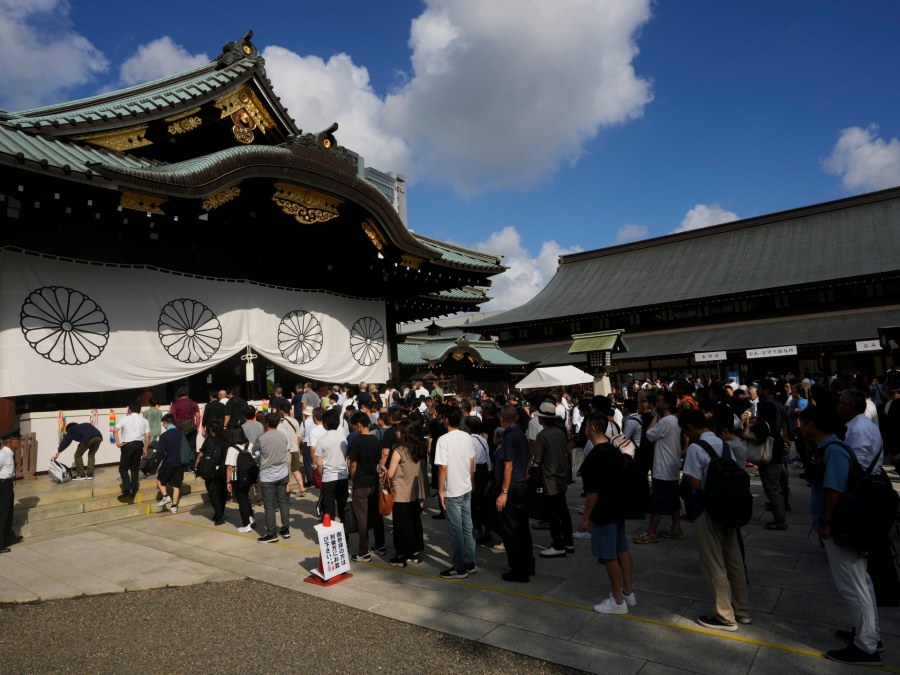
Tokyo's Yasukuni Shrine remains a contentious symbol in the geopolitics of East Asia. It famously memorializes nearly 2.5 million individuals, predominantly Japanese soldiers and civilians lost in World War II. However, it also controversially honors 14 individuals convicted of war crimes, fueling criticism from nations affected by Japan's historical militarism, notably China and South Korea.
The latest visit to the shrine by Japanese officials, including Defense Minister Shinjiro Koizumi, has drawn condemnation, seen by neighboring countries as indicative of Japan's unresolved wartime history. Although Prime Minister Sanae Takaichi abstained from physically joining the delegation, her tribute from a distance suggests a diplomatic sensitivity to international criticism. Such gestures contrast with historical visits by prior leaders like Shinzo Abe, which have previously elicited diplomatic repercussions, even drawing disapproval from the U.S.
Yasukuni's origins trace back to 1869 under Emperor Meiji, operating as a repository of spirits for those who died in service to the nation. Each year, annual visits by high-profile politicians and members of the Japanese public renew regional tensions. Despite strains, the shrine epitomizes a complex entanglement of national remembrance, political symbolism, and international diplomacy.