How Lyhanna’s murder case is shedding light on child abuse in France
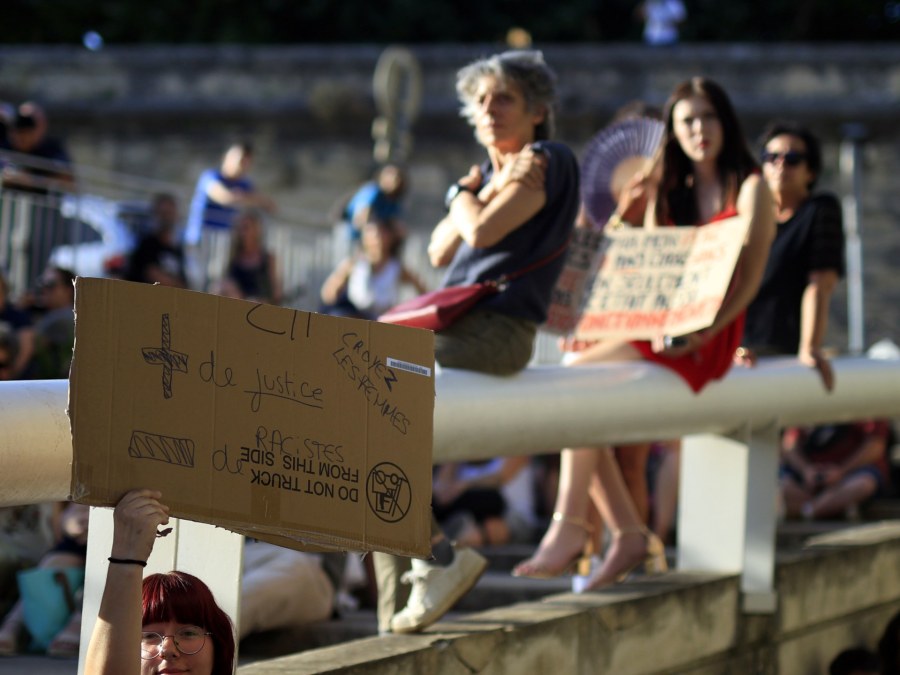
The case of Lyhanna, an 11-year-old girl raped and killed in the southwestern town of Fleurance, has shaken France for more than a month, leading to protests calling for the protection of children and forcing the government to promise sweeping reforms on the issue. Lyhanna went missing on May 29 after getting into a car with a man prosecutors claim was Jerome Barella, the 41-year-old father of one of her schoolmates. Her body was found six days later in an abandoned grain silo. Barella has been charged with abduction and unlawfully confining a minor and remains in pre-trial detention, though the cause of death has not been officially confirmed. He denies the charges.
What turned grief into national outrage was the revelation that Barella had already faced two prior accusations of raping minors – both dropped or stalled. A third complaint, filed in August 2025 by the mother of a 10-year-old girl, accused him of repeatedly raping her daughter at his home. That case bounced between prosecutors in Toulouse and Auch. Barella was not questioned when Lyhanna disappeared nine months later.
An official inquiry by France’s justice and gendarmerie inspectorates, based on roughly 30 interviews, later said that once the case reached the Auch prosecutor’s office it had not been treated as a priority, and that the investigation itself was inadequately supervised. Prime Minister Sebastien Lecornu said the findings showed the “protection chain” for children had broken down.
A system “at breaking point”
For Claude Bard, president of the child protection association Enfance et Partage, the tragedy is not the fault of any single official, but a symptom of exhaustion across the entire system. “This system of child protection is today at breaking point,” he said. Although France records 160,000 cases of child sexual abuse annually, convictions are made in only one percent of cases. Bard noted a report that stated a child in France is a victim of rape or sexual violence roughly every three minutes. Bard pointed to what he called the decisive failure in Lyhanna’s case: the third complaint against Barella was never flagged as urgent as it moved between prosecutors’ offices. Had it carried that designation, he said, “Lyhanna would probably still be with us.”