German Coalition Enacts Comprehensive Reform Package Amid Political Pressure
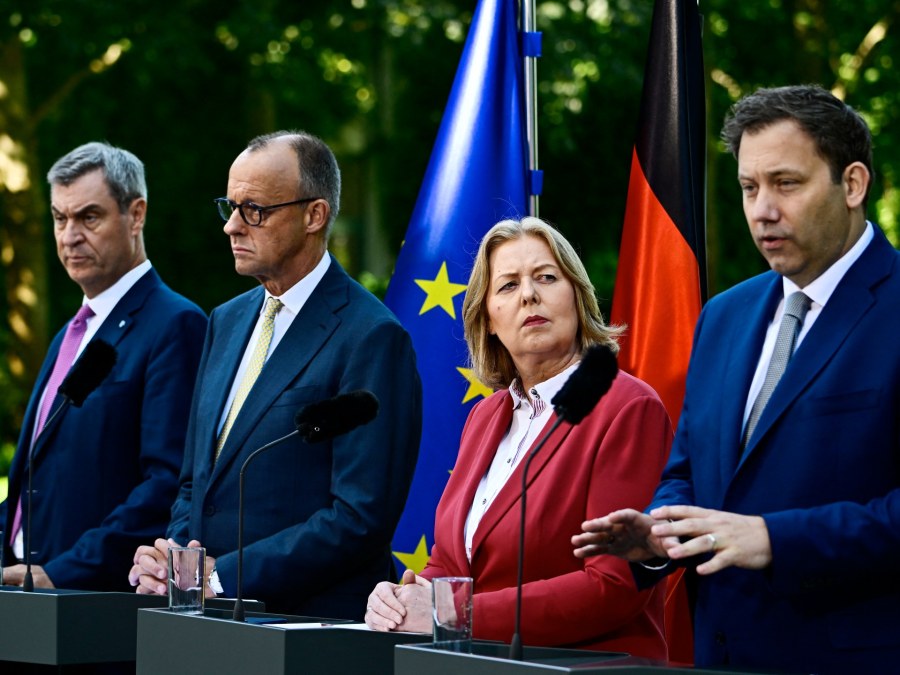
Germany's ruling coalition, led by Chancellor Friedrich Merz, has introduced an extensive reform agenda targeting key economic challenges. The comprehensive package, revealed during a press briefing in Berlin, focuses on tax relief, labor market adjustments, and pension system reforms. It aims to bolster the performance of Europe's largest economy amidst rising far-right political pressure.
The 'Programme for Revival and Employment' promises an annual income tax relief of approximately 10 billion euros, concentrating on middle and lower-income earners effective from January 2027. High-income earners will experience increased surcharges to offset the tax relief measures, reflecting a strategic redistribution of fiscal responsibility.
This initiative includes 34 reform measures, including significant pension overhaul and the reduction of bureaucratic constraints affecting businesses. Labor reforms are also proposed, including the elimination of pandemic-era leniencies on sick leave and extended fixed-term contract limits. With these moves, the coalition attempts to counter the economic headwinds posed by high energy costs and aggressive international competition, notably from China and the US.