Israel’s religious right is changing the state from within
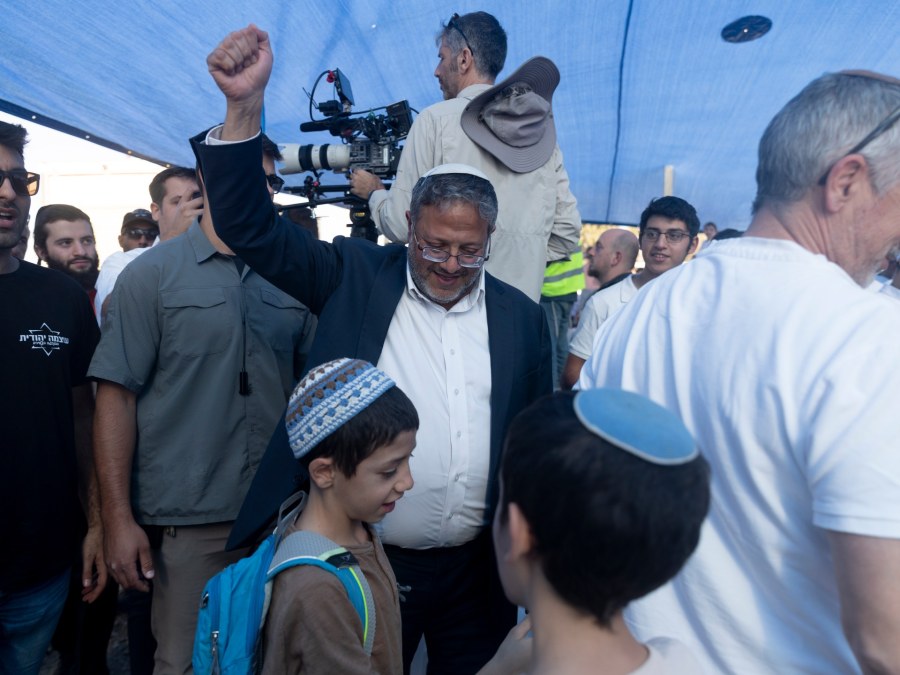
In Israel, ultra-Orthodox and religious-nationalist forces are wielding growing political influence over questions that reach far beyond their traditional constituencies: gender segregation, religious education, rabbinical authority, the relationship between religious and civil law, and the meaning attached to settlement and territorial control. Their growing influence raises a broader question about religious fundamentalism and democratic power: what happens when fundamentalist forces do not need to overthrow the state because they can use its existing institutions to reshape it from within?
The Taliban seized power in Afghanistan by force. But what does religious fundamentalism look like when it operates through elections, coalition politics and the institutions of the state? What, in that sense, would the rise to power of a “Jewish Taliban” look like in Israel?
Picture Tel Aviv a few years from now. The cafes are still open. Women still walk the streets. Elections continue. The Knesset still meets. The Supreme Court has not shut its doors. No religious militia has seized power in a coup. Something deeper has changed, though. Sex-segregated spaces keep expanding, justified as respect for the religious public. Religious schools receive more public money while remaining free of any real obligation to teach science, maths or English. Religious demands carry greater weight in public life, while the limits of individual freedom are increasingly drawn around a religious-national vision of what the state should be.
This shift is not taking place in a secular state or an equal political order. Israel was established as a Jewish state, while Palestinians have never enjoyed equality within the political system it created. Religion, meanwhile, has long shaped marriage and divorce, conversion, the Sabbath and the recognition of Jewish identity. What is changing is the growing power of religious and religious-nationalist forces to define the state’s Jewish character in more explicitly religious terms, both in public life and in claims to land and sovereignty.
The outlines of that future are already visible. Today’s Knesset contains several Haredi and religious-nationalist parties: Shas, United Torah Judaism, Religious Zionism, Otzma Yehudit and Noam. They are not a single bloc, and they do not agree on everything. The Haredim mostly focus on the independence of religious education, m